Introduction
The geopolitical landscape of North Africa is evolving, presenting a fertile ground for institutional investors as the region grapples with its historical economic challenges and seeks to capitalize on its strategic proximity to European markets. As food security becomes a paramount concern and energy deficits widen, the demand for agricultural and energy investments is intensifying. A thorough understanding of the investment climate and risk factors will be crucial for stakeholders looking to enter this market.
The Strategic Problem
North Africa's dependence on food imports is a pressing concern. Recent figures indicate that the region spends approximately $50 billion annually on food imports, driven by growing populations and climate change impacts on agriculture. Additionally, the energy deficits are glaring, with countries like Egypt experiencing significant gaps between energy demand and supply, impacted by a rising young population and industrial ambitions.
Key statistics include:
- Approximately 35% of North Africa’s caloric needs are met through imports.
- Food production is growing at a rate of only 1.5% annually, while demand is projected to increase by 2.5%.
- Algeria's energy reliance on natural gas is projected to decrease by 25% by 2030 unless new investments are made.
The Agropole Solution
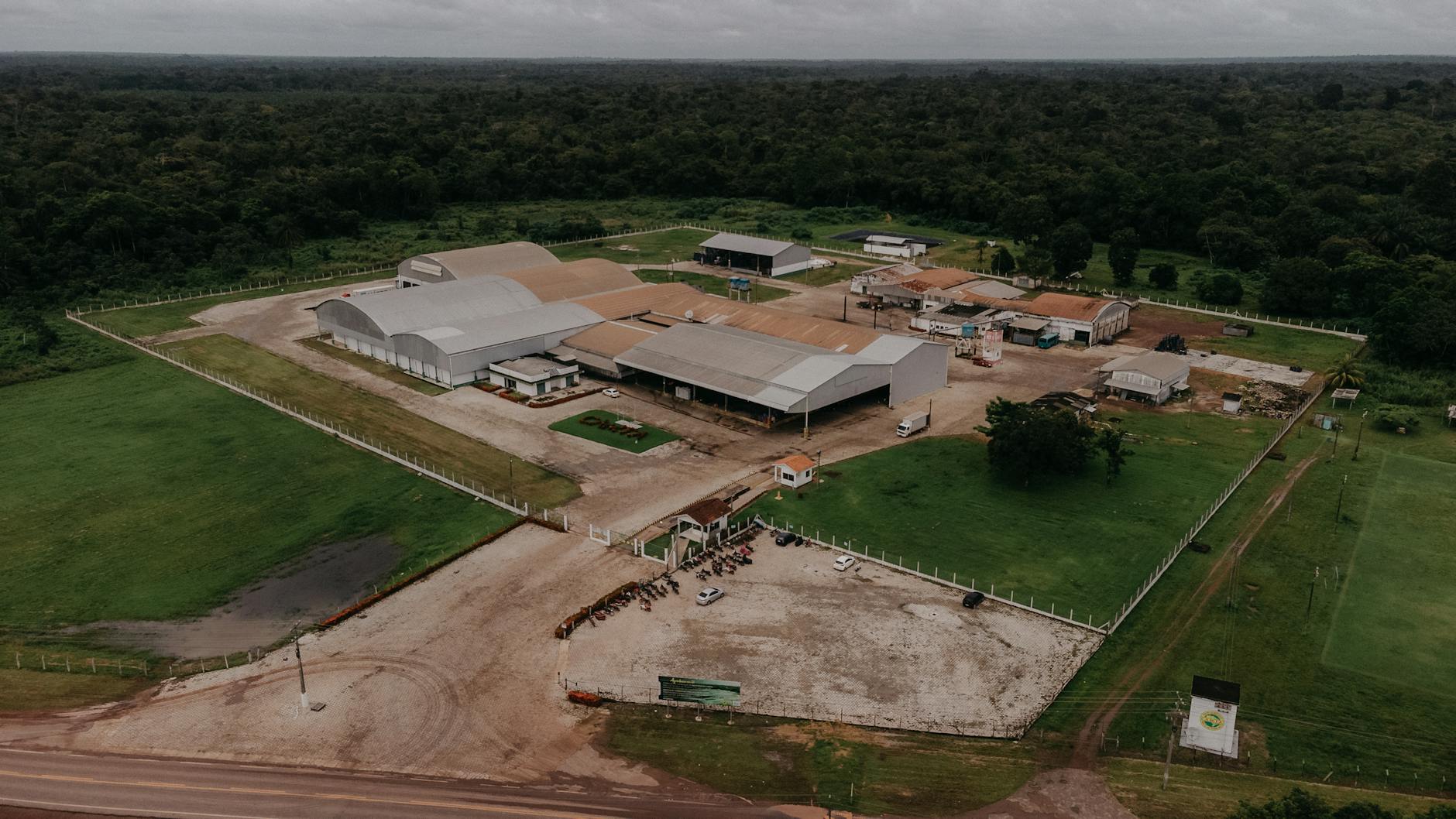
In response to these challenges, the Agropole model provides a comprehensive approach to enhancing agricultural output and energy generation in the region. By establishing dedicated agricultural zones that prioritize efficiency and sustainability, the Agropole initiative aims to revolutionize food production while integrating renewable energy sources to support these agri-systems. This model combines technological advancements in agriculture with strategic infrastructure development to create an enabling environment for agribusiness.
The Agropole model, if implemented effectively, could significantly contribute to alleviating the food import burden and enhancing energy resilience in North Africa. These agro-industrial parks serve as integrated hubs, promoting partnerships across the agribusiness value chain, from production to market access.
Institutional Alignment
Established in 1984, GEOTHERMIKI S.A. serves as a national leader in energy and agriculture projects. With an ISO 9001 certification, this heritage positions the company as a trusted partner in the region's development initiatives. Notably, the company’s recent endeavors in the Democratic Republic of the Congo highlight the effectiveness of this model. In Kongo Central, GEOTHERMIKI has initiated agriculture investments of $90.6 million over 4,000 hectares, creating approximately 30,000 jobs in the process.
Data Points
- North Africa's annual food import expenditure: $50 billion
- Projected increase in food demand through 2030: 2.5% annually
- Agricultural growth rate: 1.5% annually
- GEOTHERMIKI S.A. investment in DRC: $90.6 million
- Area developed through agriculture initiatives: 4,000 hectares
- Projected job creation in DRC: 30,000 jobs
Conclusion
The strategic importance of North Africa as a burgeoning agribusiness and energy investment hub cannot be overstated. The Agropole model represents a significant opportunity for institutional investors seeking to diversify their portfolios while contributing to regional economic sustainability. Institutional partnerships with established entities such as GEOTHERMIKI Africa could yield substantial returns, driving growth in a sector critical for ensuring food security and energy independence.
For savvy investors, this dynamic market presents an urgent call to action: evaluating and strategically engaging in North Africa’s agribusiness and energy sectors may not only address critical infrastructure gaps but also pave the way for robust economic growth for years to come.