Introduction
In an ever-evolving global economic landscape, Africa emerges as a strategic market for agricultural investments, particularly in African island states. These markets, often characterised by their biodiversity and natural resources, present promising opportunities for premium, organic, and specialised agricultural products. As global demand for quality food escalates, it is imperative to explore institutional mechanisms that could catalyse these investments.
The Strategic Challenge
The challenges associated with agriculture in Africa, especially in island states, are numerous. Dependence on food imports is chronic and continually increasing, thereby creating an urgent need for investments in local production:
- The average food imports in Africa amount to USD 35 billion annually.
- Island states such as the Democratic Republic of the Congo (DRC) import up to 40% of their food requirements.
- Agricultural productivity remains below the global average with yields often proving insufficient.
To address these challenges, a new model is required to catalyse agricultural investments, particularly in the premium and organic product sectors.
The Agropole Solution
The Agropole model positions itself as an integrated approach to stimulating agriculture in these regions. This model focuses on the creation of competitiveness clusters that bring together stakeholders from the agro-industry, from production through to marketing. Through enhanced collaboration between producers, private investors, and public institutions, the Agropole aims to maximise yields and meet the demands of the international market.
Key Features of the Agropole Model:
- Continuous assessment of market needs and consumer expectations.
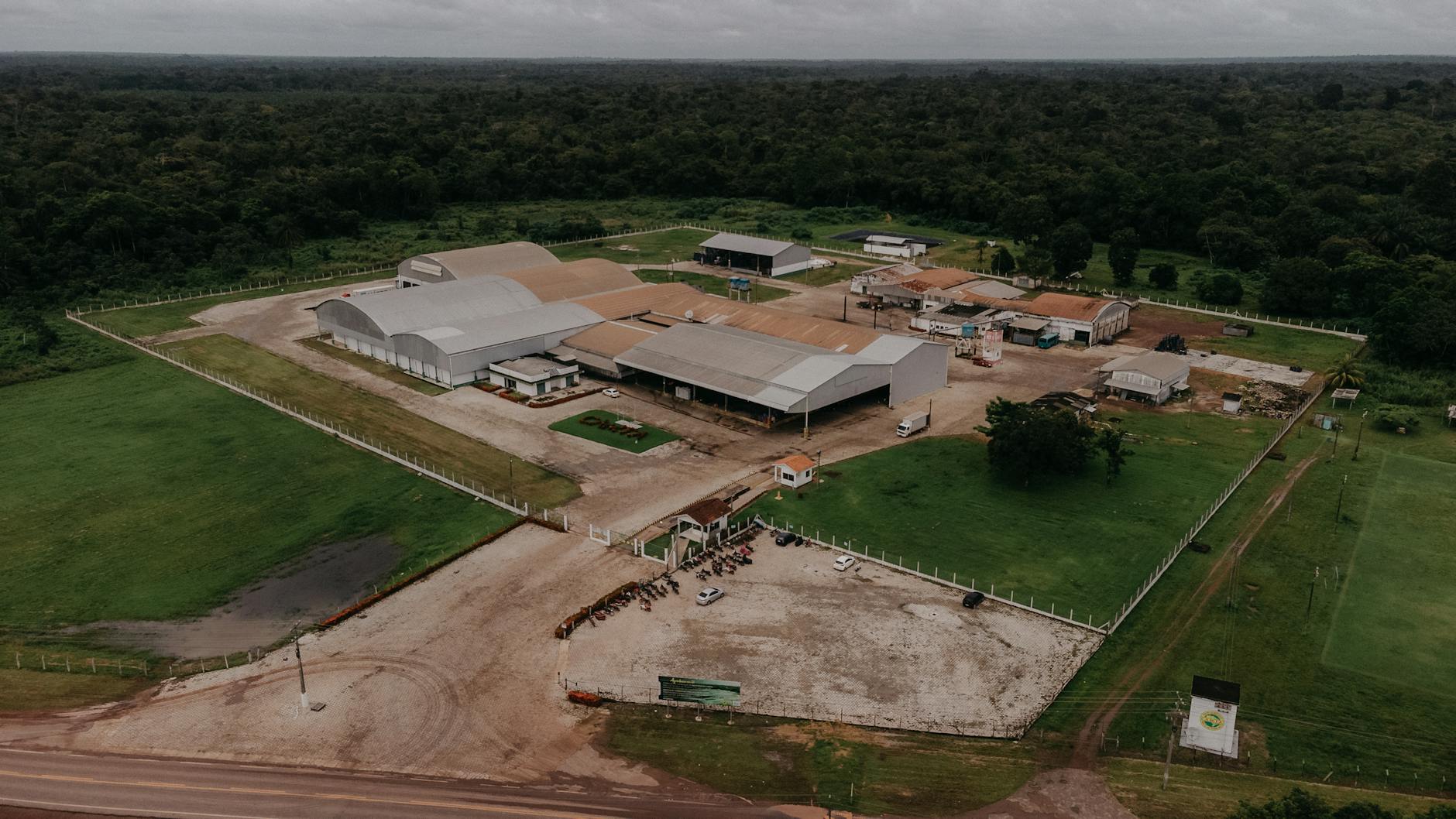
- Storage and processing infrastructure for agricultural products.
- Access to financing platforms and technical support for local farmers.
Institutional Alignment
GEOTHERMIKI S.A., with its heritage since 1984 and an ISO 9001 certification, plays a pivotal role in this process of institutional alignment. Particularly, the Kongo Central region in the DRC, with its USD 90.6 million in planned investments and 4,000 hectares of cultivated agricultural land, could generate 30,000 local jobs. This potential indicates that agricultural investments, supported by a robust institutional foundation, can effectively meet food needs while providing substantial returns on investment.
Key Data to Consider
- Estimated investment amount: USD 90.6 million.
- Total area: 4,000 hectares dedicated to agriculture.
- Jobs created: 30,000, enhancing local economic growth.
Conclusion
In the face of an increasingly competitive global environment, Africa must seize the opportunity to transform its agricultural landscape by focusing on premium and organic products. Investments in these sectors, through the Agropole model, can not only reduce dependence on food imports but also stimulate job creation and strengthen the local economy. We therefore invite sovereign wealth funds and institutional investors to engage with local partners to develop a dynamic and innovative agriculture sector. Let us work together to position Africa as a key player in the global market for quality agricultural products.
For more information on GEOTHERMIKI Africa, click here. To discover the legacy and excellence of GEOTHERMIKI S.A., visit this link. For further analyses on agricultural development in Africa, consult the reports from the African Development Bank.