Introduction
In an era characterized by increasing economic volatility, the African continent presents a unique paradox of vast resource wealth coupled with substantial food insecurity and energy deficits. This juxtaposition creates a fertile ground for institutional investors seeking strategic partnerships that deliver both impact and returns. The complexities of Africa's socio-economic landscape necessitate innovative investment approaches that align with emerging global sustainability standards and geopolitical interests.
The Strategic Problem
Recent estimates indicate that Africa needs to reduce its food import bill, projected at approximately $48 billion annually, as the continent becomes increasingly reliant on external food sources. Concurrently, energy deficits loom large, inhibiting economic growth and infrastructure development. For the Democratic Republic of Congo (DRC) specifically, energy access remains a critical challenge, with only about 10% of the population having electricity access. Addressing these systemic challenges is paramount for attracting capital inflows and catalyzing localized development.
The Agropole Solution
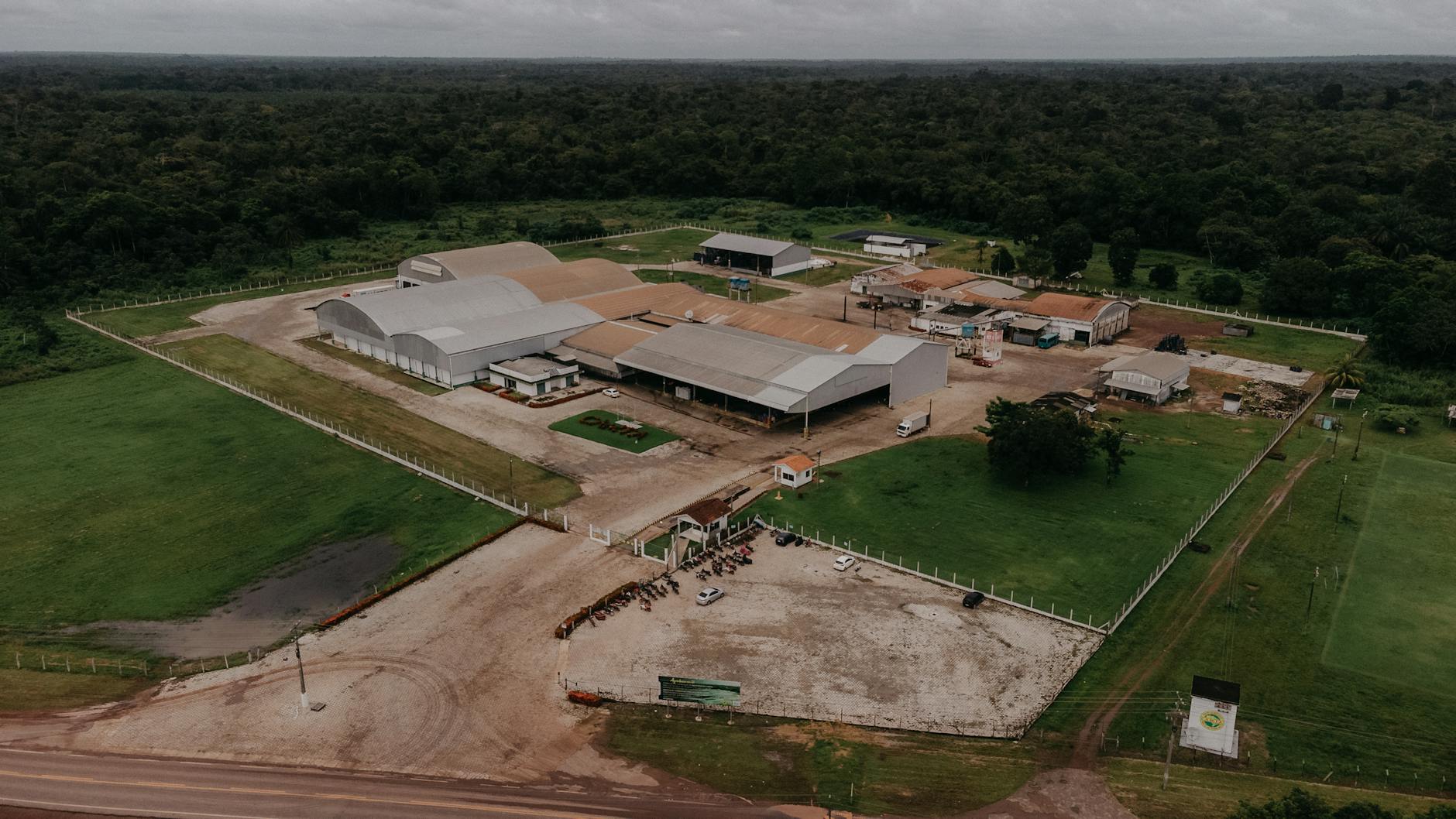
The Agropole model serves as a holistic solution to these pressing concerns, integrating agricultural expansion with energy generation in strategically located agro-industrial parks. By focusing on infrastructure that fosters agricultural productivity while seamlessly integrating geothermal energy sources, the Agropole approach presents a multi-faceted investment opportunity.
Investors can participate in the Agropole model through various mechanisms:
- Equity Investments: Direct equity investments in Agropole development projects offer significant returns as agricultural outputs expand and energy production stabilizes.
- Public-Private Partnerships (PPPs): Collaborating with governments ensures shared risk while leveraging governmental incentives and policy frameworks, essential in tackling infrastructure deficits.
- Revenue Sharing Models: Through agreements that stipulate revenue sharing on agricultural sales and energy supply, investors can secure long-term profit streams while contributing to local economies.
Institutional Alignment
The heritage of GEOTHERMIKI S.A., established in 1984 and proudly holding an ISO 9001 certification, provides a strong foundation for the Agropole initiatives. With a notable project in DRC's Kongo Central, GEOTHERMIKI has mobilized an investment of approximately $90.6 million, resulting in the development of 4,000 hectares of agricultural land and the creation of 30,000 jobs.
Strategic alignment with the Agropole model positions institutional investors to benefit from:
- Projected ROI: Historical ROI figures for similar ventures suggest potential annual returns of 15-20%.
- Job Creation: Each Agropole project is expected to yield upwards of 7,500 jobs per 1,000 hectares developed.
- Economic Stability: Contributing to local economies through direct job creation and supply chain development reduces dependency on imports, fostering economic resilience.
Conclusion
Considering the pressing food and energy challenges faced by the African continent, the Agropole model stands out as a strategic investment avenue for institutional investors. By combining agricultural productivity with renewable energy generation, geopolitical considerations, and sound investment frameworks, stakeholders can facilitate not only economic growth but also contribute to alleviating the continent's systemic challenges.
To maximize this opportunity, institutional investors are encouraged to forge partnerships with GEOTHERMIKI Africa. By aligning capital with initiatives that support both profitability and sustainability, stakeholders can create a resilient foundation for Africa's economic future. A partnership today could translate into long-term benefits for all involved, turning challenges into opportunities through collaborative action.