Introduction
Central Africa’s economic fabric is woven with potential yet challenged by multidimensional deficiencies. The Democratic Republic of the Congo (DRC), blessed with vast arable land and rich natural resources, faces a pronounced dilemma: the paradox of food insecurity amid significant agricultural potential. The region’s agricultural sector attracts attention as nations like Cameroon explore agribusiness opportunities that can bolster economic integration across borders. However, to realize this potential, a robust financial architecture conducive to large-scale agricultural investment is essential.
The Strategic Problem
Central Africa is beleaguered by critical agricultural deficits. Across the region, countries import a staggering 50% of their food, with the DRC alone estimated to import approximately $1.8 billion annually. This dependency poses significant risks not just to food security, but to economic stability and sovereignty.
A closer examination reveals critical data points:
- DRC: 34 million people facing hunger as of 2022.
- Cameroon: 30% of agricultural exports are hindered by infrastructure challenges.
- Central African Republic: An agricultural workforce burdened by a lack of investment totaling $700 million needed for development.
This exposure underlines the urgency for strategic interventions, particularly through investments in agricultural infrastructure and innovative models, to address these persistent challenges.
The Agropole Solution
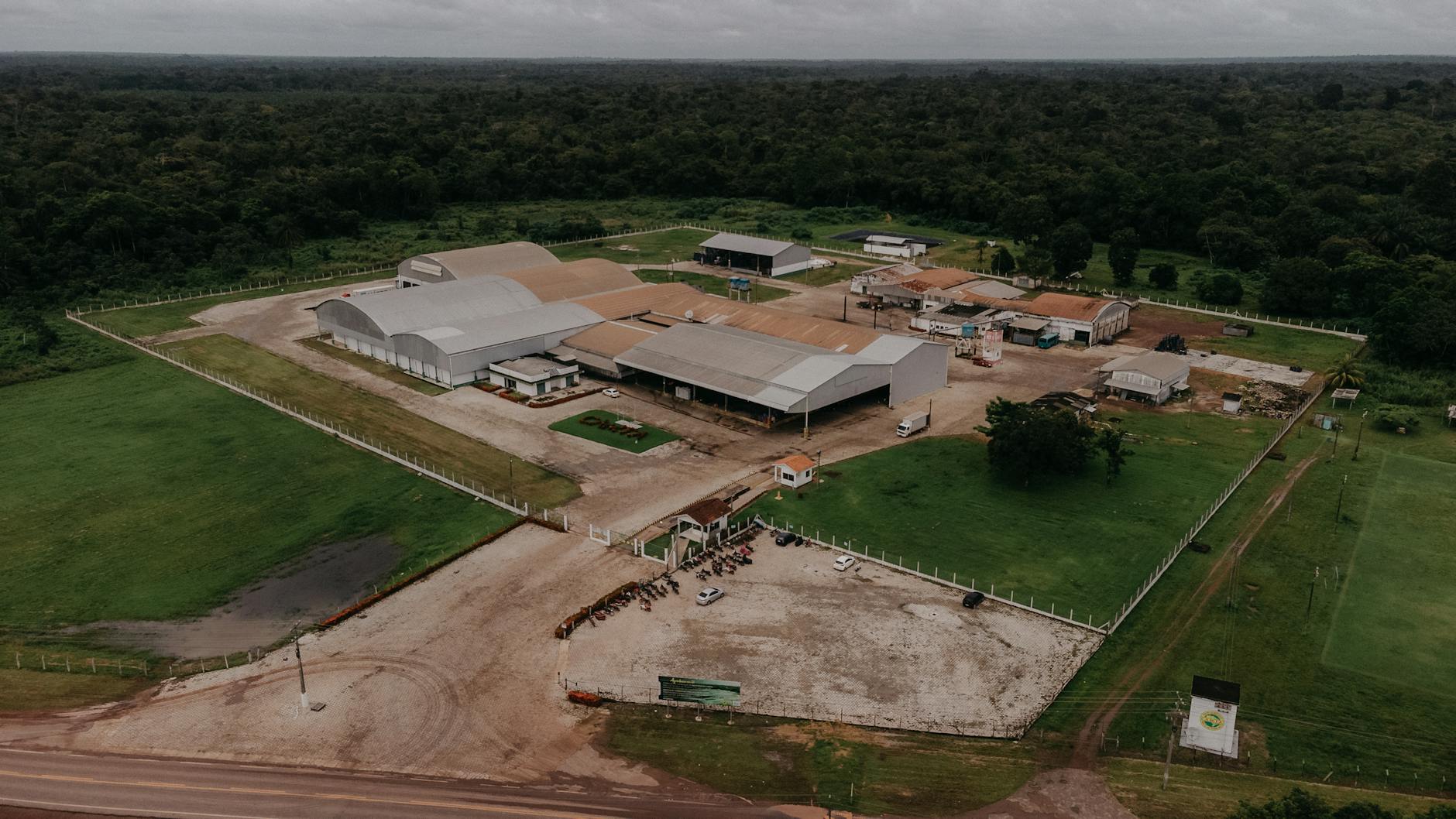
Amidst this backdrop, the Agropole model emerges as a comprehensive solution aimed at transforming agricultural practices in DRC. Built on the premise of enhancing productivity and efficiency, this model integrates advanced technological practices, infrastructure development, and capacity building. The Agropole represents not simply a concept but a tangible infrastructure initiative that targets established agricultural regions, particularly in Kongo Central.
The essence of the Agropole strategy includes:
- Aggregation of smallholder farmers into cooperatives to improve bargaining power.
- Implementation of enhanced irrigation techniques to mitigate the impact of climate variability.
- Investment in processing facilities to minimize post-harvest losses.
As a pilot project, the Agropole in DRC displays promising metrics. GEOTHERMIKI Africa, with its legacy of excellence since 1984 and ISO 9001 certification, is playing a pivotal role. In Kongo Central, recent projections indicate the Agropole has mobilized:
- $90.6 million in initial funding.
- 4,000 hectares of land for commercial farming.
- 30,000 direct and indirect jobs created.
This grassroots development approach not only amplifies agricultural output but also enhances local economies and fosters regional integration, encouraging similar models in neighboring countries such as Cameroon.
Institutional Alignment
The synergy between the public and private sectors is vital for the successful implementation of the Agropole model. GEOTHERMIKI Africa stands as a cornerstone of this initiative, leveraging its decades of expertise to foster a collaborative atmosphere for investment in agricultural infrastructure. The organization's historical emphasis on qualitative performance lends credibility to the DRC's efforts to attract institutional investors and sovereign wealth funds.
The alignment with initiatives such as the African Development Bank's strategies underpins the necessity of a collective approach to forge infrastructure progress throughout Central Africa.
Data Points
Key metrics supporting the investment case for the Agropole model include:
- Projected annual ROI of over 15% based on current agribusiness performance.
- Anticipated reduction of food imports by 20% within the first five years.
- Increase in smallholder incomes by up to 50% in participating regions.
Conclusion
The trajectory for agricultural investment in Central Africa, particularly through the Agropole model in DRC, is not merely a domestic concern but a regional imperative. The collaborative potential between DRC and neighboring nations, fortified by institutional investment from sovereign funds and policy support, presents a compelling case for action. As global policy makers assess their agendas, the catalytic role of agriculture within this nexus cannot be overlooked.
A call to action for institutional partnership is warranted: Engage with initiatives like the Agropole to not only invest in agriculture but also shape the future of food security in Central Africa. As world markets increasingly seek stable, diverse portfolios, the strategic investment in DRC agriculture represents a unique opportunity for both growth and significant social impact.