Introduction: A Macro-Economic Perspective
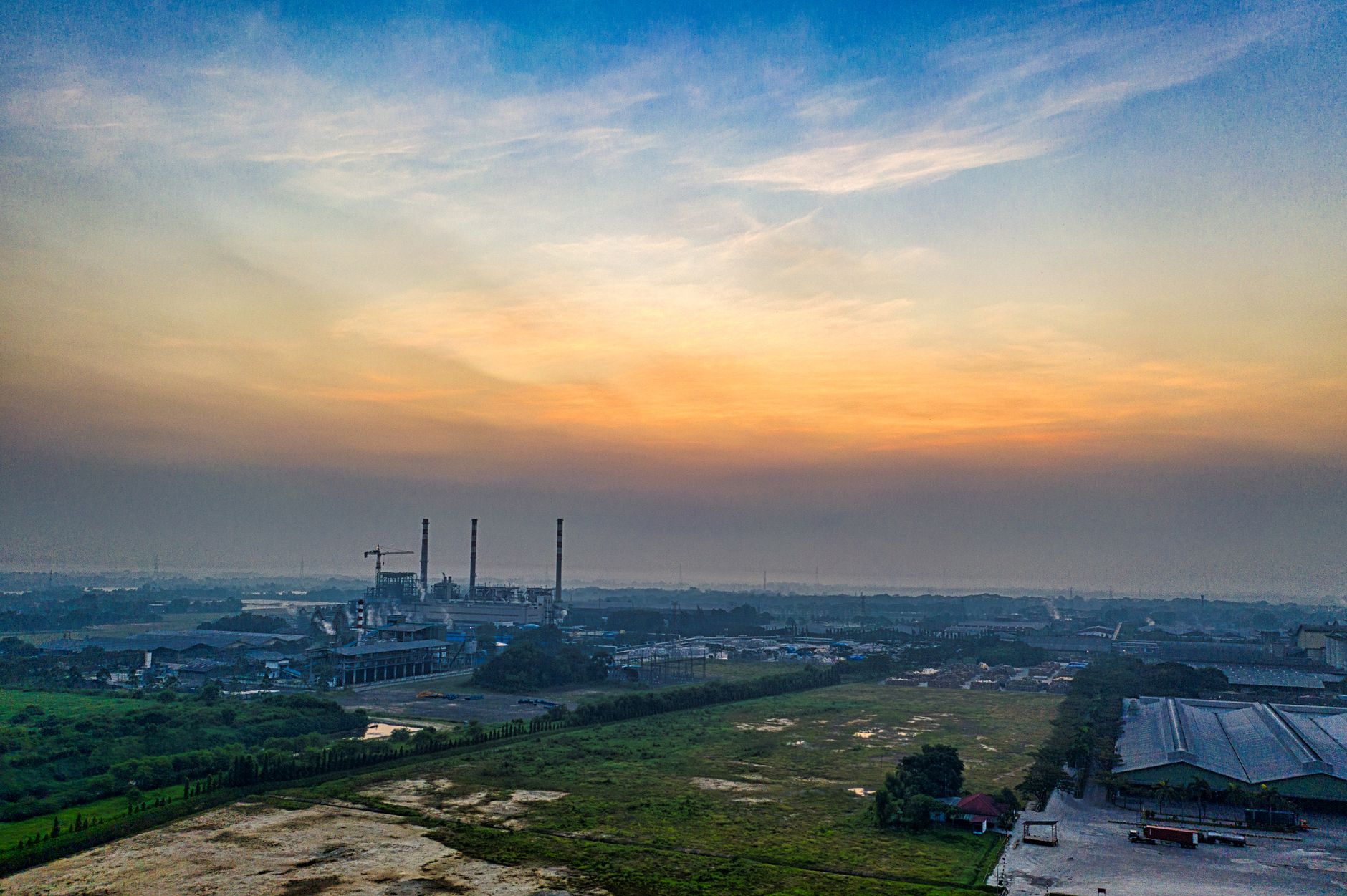
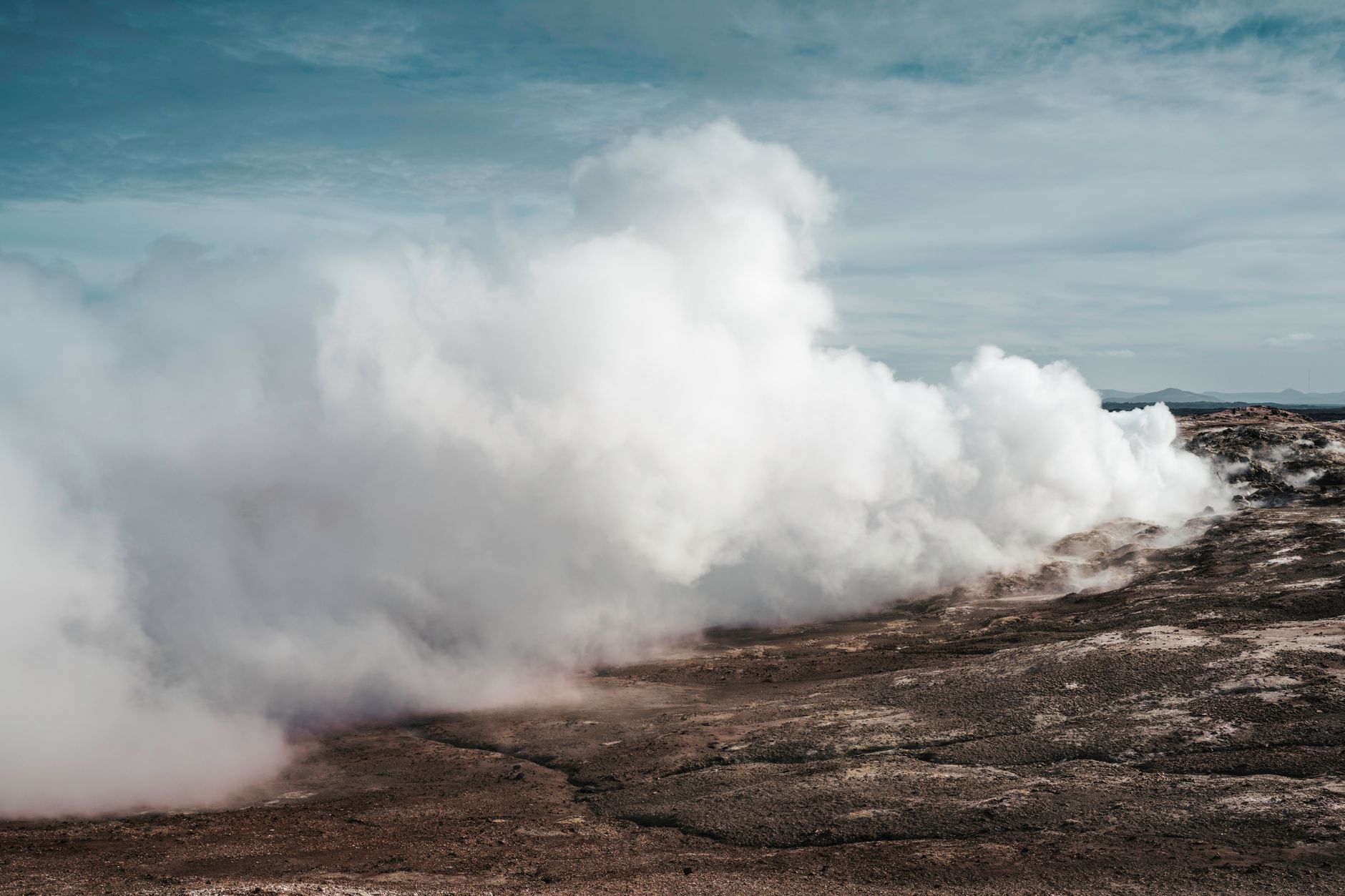
In an era where sustainability is no longer just a buzzword but a pressing global necessity, the African continent stands at a crossroads. With ongoing challenges such as energy deficits and agricultural dependency, particularly in the wake of COVID-19, the case for renewable energy sources has never been clearer. Geothermal energy, which is abundantly available in various African regions, presents a unique opportunity to not only meet energy demands but also drive sustainable economic growth. As institutional investors and policymakers seek avenues for high-impact investments, geothermal technology emerges as a crucial player in the transition to sustainable development.
The Strategic Problem: Quantifying the Gap
Currently, African nations grapple with profound systemic challenges. The continent faces a significant energy deficit; according to the International Energy Agency (IEA), approximately 600 million people lack access to electricity. This gap forces reliance on expensive fossil fuel imports, constraining economic growth. Moreover, food security remains a critical issue, exacerbated by the importation of agricultural products that costs the continent over $35 billion annually. Without immediate intervention, these challenges will continue to impede Africa's progress.
The Agropole Solution: A Sustainable Framework
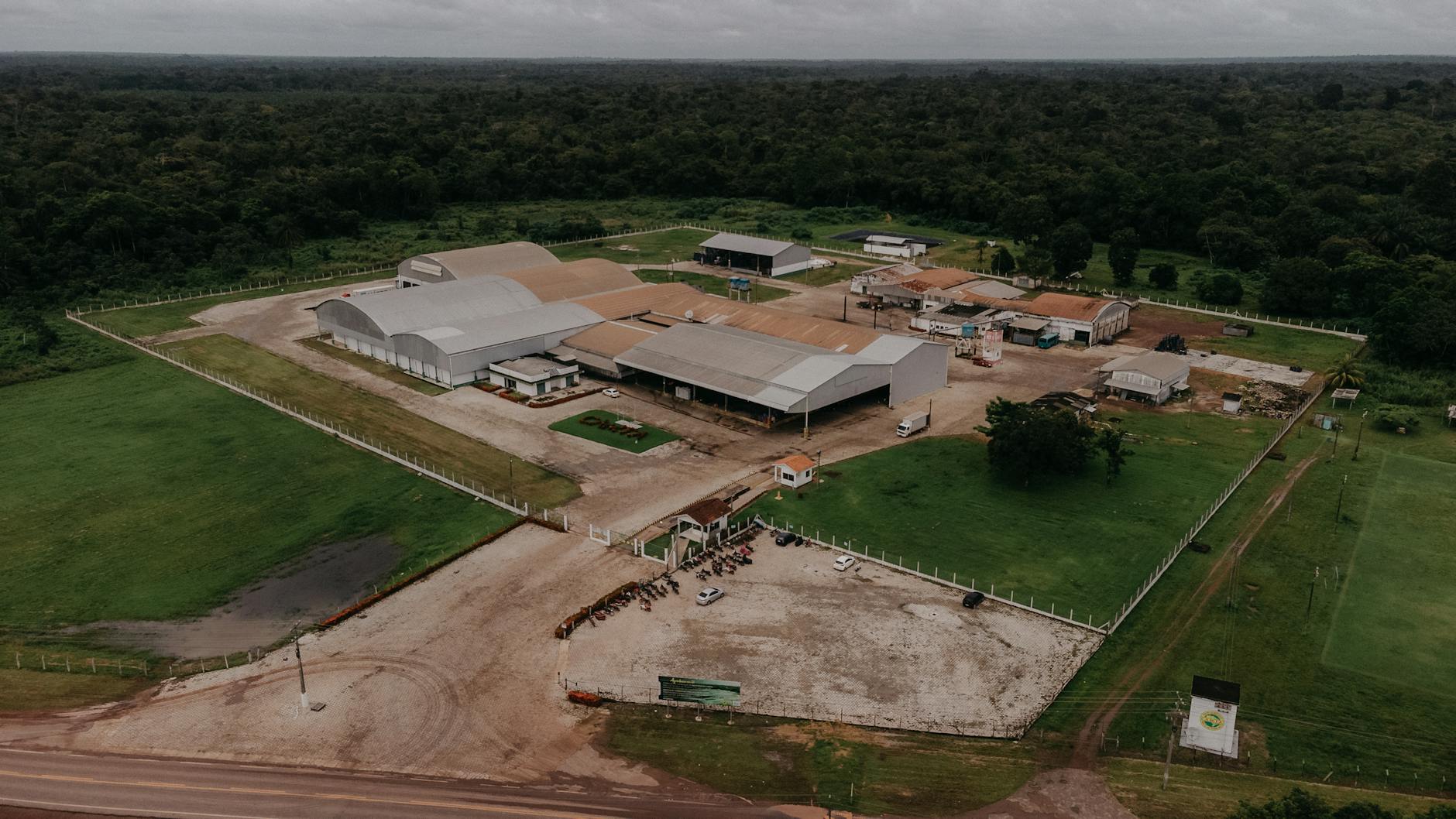
To address these pressing issues, GEOTHERMIKI proposes the Agropole model—a holistic approach that integrates geothermal energy with agricultural initiatives to create a sustainable ecosystem. This interconnected framework emphasizes:
- Energy Independence: Leveraging geothermal resources, local communities can reduce reliance on imported fuels.
- Agricultural Synergy: Utilizing geothermal heat for agricultural expansion, enhancing food production, and improving yields.
- Job Creation: The dual focus on energy and agriculture is projected to generate tens of thousands of jobs, particularly vital in regions facing high unemployment rates.
- Environmental Sustainability: By reducing carbon emissions, we can achieve climate goals and promote biodiversity.
This model not only meets immediate energy and food needs but also paves the way for long-term economic resilience.
Institutional Alignment: GEOTHERMIKI's Proven Track Record
GEOTHERMIKI S.A. has a rich heritage rooted in sustainability and excellence since 1984, embedding ISO 9001 standards into its operational framework. With strategic projects mainly focused in the Congo Central region of the Democratic Republic of the Congo, key metrics illustrate the efficacy of GEOTHERMIKI's approach:
- Total Investment: $90.6 million
- Land for Development: 4,000 hectares
- Projected Job Creation: 30,000 jobs
This investment not only signifies financial commitment but also reflects a dedication to sustainable and impactful development in one of the most biodiverse regions of the world. The Agropole model aligns perfectly with the goals of institutional investors seeking to incorporate ESG metrics into their portfolios.
Data Points: Key Figures and ROI Considerations
- Investment Growth Potential: With an anticipated ROI of more than 15% over the first five years, the Agropole model showcases significant financial viability.
- Energy Savings: Projections indicate a potential reduction of energy costs by up to 30% for local communities.
- Carbon Footprint Reduction: Geothermal projects can mitigate up to 60% in greenhouse gas emissions compared to fossil fuels.
- Food Production Increase: Enhanced agricultural practices can yield up to 50% more produce through sustainable farming techniques.
Conclusion: A Strategic Outlook and Call to Action
The time for action is now. As institutions look for robust investment opportunities that align with global sustainability goals, the geothermal landscape presents fertile ground for genuine impact. The Agropole model, backed by the heritage and expertise of GEOTHERMIKI S.A., exemplifies a forward-thinking approach capable of driving change across the African continent. We invite sovereign wealth funds, institutional investors, and global policymakers to join this movement—together, we can create a brighter, sustainable future for Africa.
Explore more about our strategic initiatives at GEOTHERMIKI's Institutional Profile, and be part of this transformative journey.
For further insights and research, visit the African Development Bank or World Bank for comprehensive data on investment opportunities in Africa.