Introduction
The backdrop of Africa's agricultural sector is marked by a looming crisis, with food imports soaring to alarming levels while energy deficits hamper productivity. As global investors eye potential in emerging markets, understanding how to navigate the intricate dynamics of land rights and reform becomes critical. The African Continental Free Trade Area (AfCFTA) is set against a backdrop of ambitious development policies aimed at economic growth, yet unforeseen risks pervade this landscape.
The Strategic Problem
The challenges facing the agricultural sector are profound:
- Food imports in sub-Saharan Africa reached $35 billion in 2020, projected to double by 2025 if no strategic interventions are made.
- Less than 10% of the continent’s cultivated land is managed sustainably, leading to declining soil fertility and further agricultural pressures.
- Public debt levels for many African nations have escalated, limiting governmental capacity for investment in critical agricultural infrastructure.
These factors create an environment ripe for tailored investment strategies that mitigate risks and maximize returns while supporting necessary reforms.
The Agropole Solution
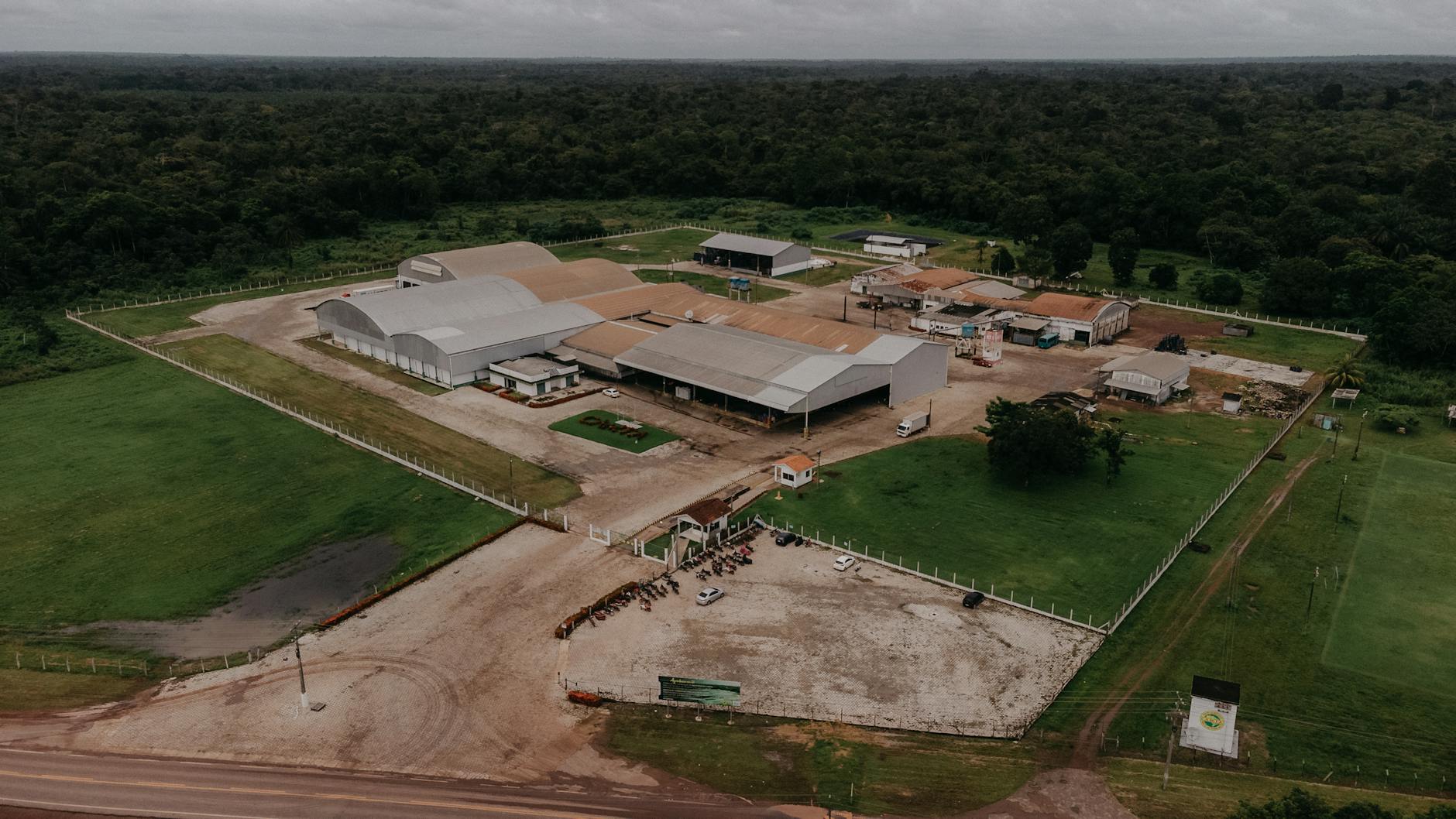
The Agropole model presents a multifaceted approach to addressing these challenges. By integrating agricultural production zones with essential infrastructure and service resources, it outlines a comprehensive plan that supports both policy goals and investment returns. Key aspects include:
- Fostering public-private partnerships (PPPs) that align governmental policies with private sector innovation, facilitating capital allocation toward infrastructure development.
- Creating focused agricultural zones within defined geographic areas to promote efficiency, reduce costs, and optimize resource use.
- Implementing modern technology in agriculture, including precision farming and agro-tech innovations, to enhance productivity and lower operational risks.
In the backdrop of initiatives like the G20 Africa agriculture agenda, this model not only boosts local economies but also enhances investors' confidence in stable and sustainable ROI.
Institutional Alignment
As GEOTHERMIKI S.A. has demonstrated since its founding in 1984, an unwavering commitment to excellence and sustainability yields considerable dividends. Notably, in the DRC Kongo Central, investments totaling $90.6 million have resulted in:
- Development across 4,000 hectares of agricultural land, channeling funds into modernization.
- The creation of approximately 30,000 jobs, enhancing local livelihoods and economic resilience.
Such metrics exemplify the strategic alignment between institutional frameworks and development policies. GEOTHERMIKI Africa's heritage speaks volumes about the quality assurance encompassed by ISO 9001 compliance, ensuring that investments yield expected results while supporting broader national goals.
Data Points
To provide a clearer perspective on ROI considerations, here are pivotal data points:
- Estimated annual growth of African agricultural GDP at 6.1% until 2026, based on AfCFTA agriculture initiatives.
- Projected increase of 20% in agricultural yield with appropriate irrigation and modern farming practices compared to current outputs.
- Investment in agribusiness expected to generate returns between 15% to 20% for institutional players, with added benefits from local expertise and strategic partnerships.
Conclusion
The future of Africa's agricultural sector hinges upon strategic insights and proactive engagement from institutional investors. The risks associated with land reform and agricultural investment, while significant, are surmountable through the innovative frameworks like the Agropole model, PPPs, and robust institutional alignment. The landscape is rich with potential for those willing to engage thoughtfully with these dynamics. Institutional stakeholders are called upon to harness this potential, investing not just capital, but also expertise and vision into Africa’s agricultural resilience. For a detailed consultation on partnership opportunities, reach out through GEOTHERMIKI Africa or consult the African Development Bank for further insights on agricultural policies.