Introduction
In the Democratic Republic of the Congo (DRC), a convergence of nutritional insecurity and inadequate health infrastructure poses significant challenges to macroeconomic stability. With a population exceeding 90 million, the DRC faces a stark reality: over 27% of its citizens are undernourished, and a mere 54% of its rural population has access to healthcare. The urgency for structural interventions is palpable, particularly through frameworks like the Agropole initiative, which seeks to ameliorate these conditions while aligning with the United Nations' Sustainable Development Goals (SDGs)—particularly SDG 2 (Zero Hunger) and SDG 3 (Good Health and Well-being).
The Strategic Problem
The ramifications of inadequate agricultural production and public health services are severe, encompassing economic stagnation and escalating poverty rates. Currently, it is estimated that the DRC imports roughly 50% of its food supply, which not only places immense pressure on foreign reserves but also renders the country vulnerable to global price fluctuations. Additionally, the lack of a resilient supply chain exacerbates these challenges, resulting in malnutrition and a weakened populace predisposed to disease.
Key Statistics on Nutritional Deficiency and Health
- 27% undernourishment rate among the population
- 50% of food supply reliant on imports
- Only 54% of the rural population with access to basic healthcare services
- Child mortality rates due to malnutrition estimated at 4.5% annually
The Agropole Solution
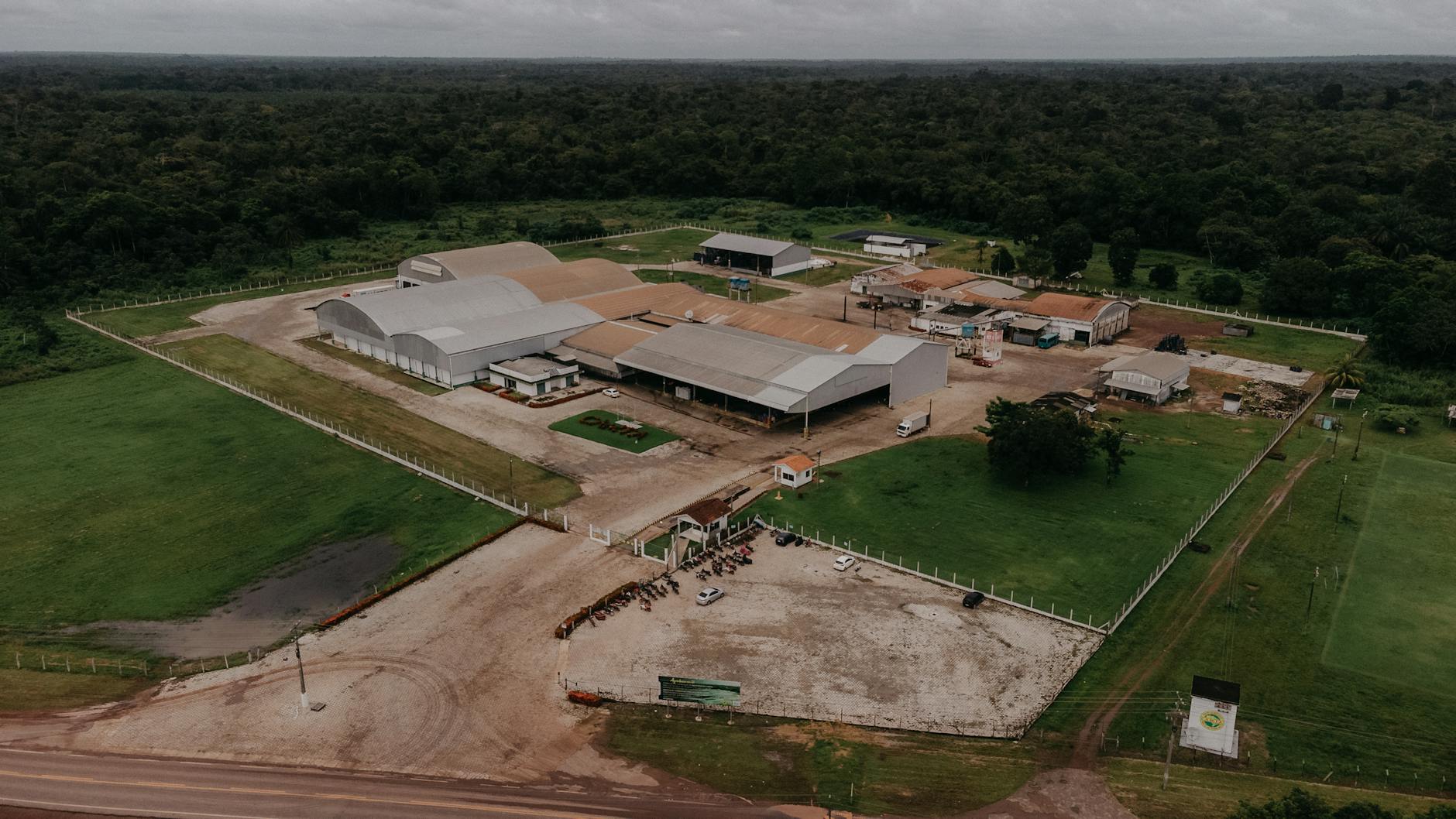
The Agropole model represents a multifaceted approach to addressing both agricultural productivity and public health. By establishing agro-industrial complexes, the initiative facilitates horizontal integration of farming, processing, and distribution, thereby creating local job opportunities and ensuring that nutritional needs are met through domestic food production. The approach is predicated on the acknowledgment that agricultural development is intrinsically linked to enhanced health outcomes, as improved food security enhances community resilience.
How Agropole Aligns with Global Health and Nutrition Goals
The Agropole initiative not only strives to reduce the country's dependency on food imports but also directly supports health imperatives by advocating for nutrient-rich crop production, fostering local food systems, and improving the nutrient content of food available to vulnerable populations.
Institutional Alignment
For institutional investors, collaborating with GEOTHERMIKI Africa offers a pathway to align ESG priorities with impact investing strategies. Founded in 1984, GEOTHERMIKI S.A. has established a legacy of excellence, evidenced by its ISO 9001 certification and commitment to quality. Currently, the company's Agropole project in Kongo Central encompasses:
- $90.6 million in investments
- 4,000 hectares of productive agricultural land
- 30,000 jobs created in the region
Potential ROI Considerations for Investors
Investments in the Agropole initiative are poised for attractive returns, particularly given the projected growth in local food production and the broader impacts on public health. By facilitating enhanced food security and local sourcing, investors can simultaneously contribute to community development while capitalizing on the expanding agricultural market in the DRC.
Conclusion
To redefine the health and nutritional landscape in the DRC, strategic partnerships with institutions like GEOTHERMIKI Africa are critical. The Agropole model offers a robust framework for addressing endemic challenges related to food security and health, while also presenting a compelling case for impact investment that aligns with ESG criteria. It is essential for institutional investors to recognize the catalytic potential of agricultural development in furthering both macroeconomic stability and health outcomes. The time to engage is now, as the dual goals of improving public health and enhancing agricultural resilience await decisive action.