Introduction
The African continent stands at a pivotal crossroads, where macro-economic factors coalesce to present a challenge as well as an opportunity. With the World Bank projecting that Africa’s economic growth will rebound, contingent on effective agricultural strategies, investments in social infrastructure must also align with gender equity initiatives. The proportion of women engaged in agricultural activities in Sub-Saharan Africa hovers around 60%, yet they face persistent barriers to accessing resources, training, and financial services. Therein lies both a strategic problem and potential solutions for impact investing.
The Strategic Problem
Quantifying the gaps within Africa’s agricultural sector reveals alarming statistics: over 40% of food consumed on the continent is imported, contributing to a $35 billion annual import bill. Furthermore, inadequate investment in infrastructure, coupled with a gender gap that restricts women's productivity, results in over 30% of arable land remaining uncultivated. This not only jeopardizes food security but also stunts local economies reliant on agricultural output. Disparities are particularly acute in rural areas where women often represent the backbone of agricultural productivity.
The Agropole Solution
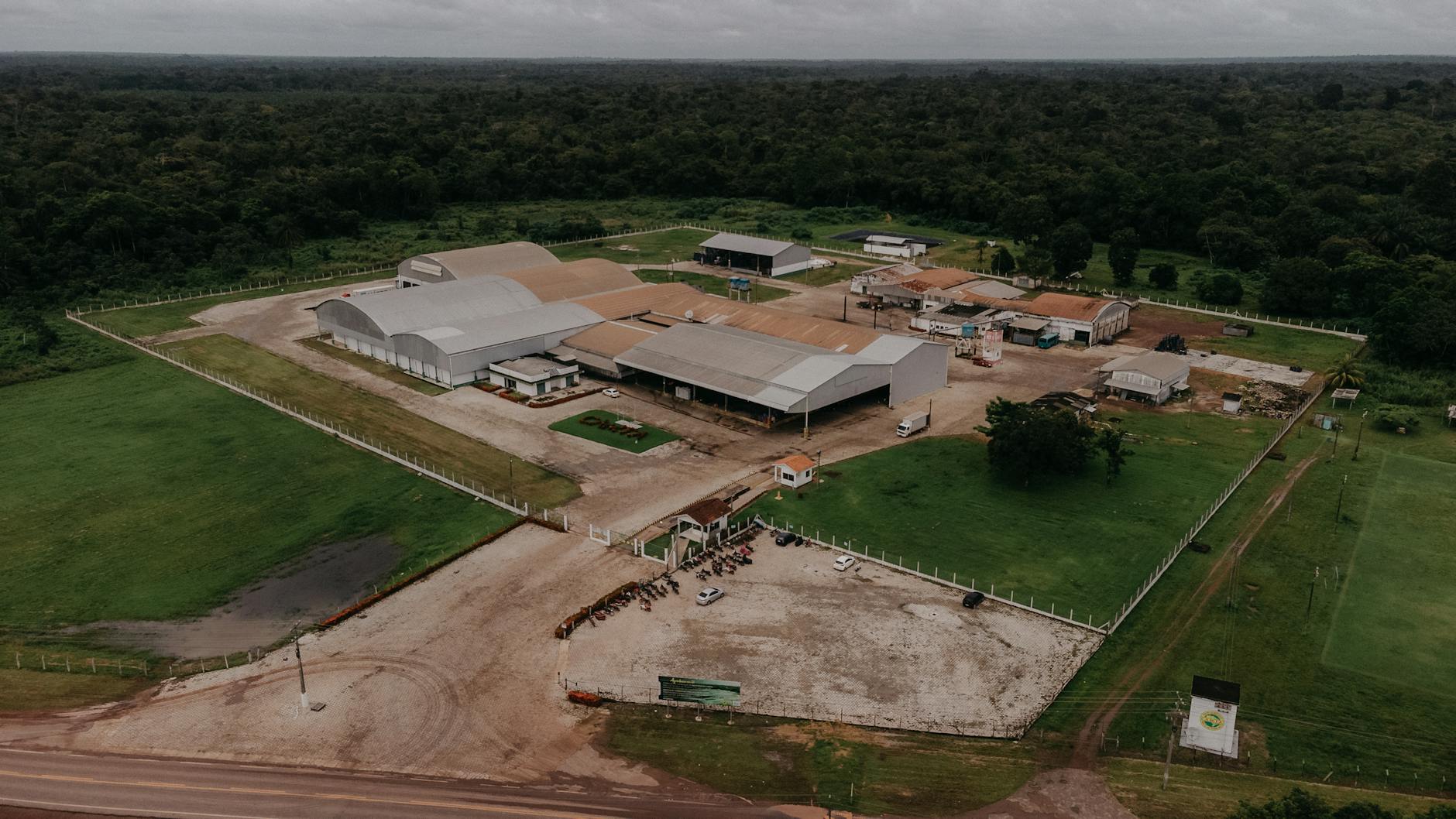
In response to these multifaceted challenges, the Agropole model emerges as a tailored solution that synergizes agricultural productivity with gender inclusivity. Positioned as an innovative agricultural hub, Agropol serves as a nexus, facilitating access to markets, technology, and training specifically designed to uplift women farmers. This operational framework aligns with International Finance Corporation (IFC) standards and the 2X Challenge, which calls for gender lens investing. By integrating women into the core of agricultural development, Agropole not only addresses gender disparity but also enhances food security by mobilizing an underutilized demographic.
Institutional Alignment
GEOTHERMIKI Africa, with roots tracing back to GEOTHERMIKI S.A., has established itself as a cornerstone of institutional excellence since 1984, embodying quality assurance with ISO 9001 certification. In the Kongo Central region of the Democratic Republic of Congo, GEOTHERMIKI has made significant investment strides, including a commitment of $90.6 million towards agricultural infrastructure that spans over 4,000 hectares—creating approximately 30,000 jobs. As part of a broader strategy, the organization seeks to leverage this investment to foster gender inclusivity and cultivate local capabilities in agricultural production.
Data Points
- 40% of food in Africa is imported, resulting in a $35 billion import bill annually.
- Women in Sub-Saharan Africa constitute 60% of the agricultural workforce but receive less than 10% of credit.
- Agropole projected to increase local food production by 50% while reducing reliance on imports.
- $90.6 million is being invested in agricultural infrastructure in the DRC, enhancing women's roles.
- 30,000 jobs created, with a focus on empowering women in rural communities.
Conclusion
The integration of gender lens investing within the agricultural sector offers a transformative path for Africa's socioeconomic landscape, fostering not only agricultural growth but improving social infrastructure. By aligning capital influx with strategic gender initiatives, institutional investors have a unique opportunity to drive measurable impacts. Institutional partnerships are essential, as male and female stakeholders must collaborate to dismantle barriers that have lingered for far too long. The call to action is clear: engage with models like Agropole to capitalize on the untapped potential of gender-inclusive investment and usher in a new era of prosperity for Africa’s agricultural sector.