Introduction
In the face of escalating food insecurity and rising import bills, Africa’s sovereign wealth funds and institutional investors are at a crossroads. With nearly 300 million people malnourished and food import bills exceeding $35 billion annually, the region's agriculture sector presents both challenges and immense opportunities for growth. As political climates shift and global demand for sustainable investment grows, Agropoles have surfaced as a critical part of host governments' strategies to achieve food sovereignty and local development.
The Strategic Problem
The agricultural landscape in Africa is marred by a significant disparity between production capacity and consumption needs. According to the African Development Bank, the continent imports approximately 80% of its rice and 50% of its wheat. These staggering figures underscore the urgent need for local production systems:
- $35 billion: Annual cost of food imports to Africa.
- 300 million: People affected by malnutrition across the continent.
- 20%: The maximum arable land used in Africa, suggesting vast potential for expansion.
Against this backdrop, the need for effective, locally grown solutions becomes paramount, prompting governments to explore the Agropole model as a viable pathway to bolster agricultural output while fostering community development.
The Agropole Solution
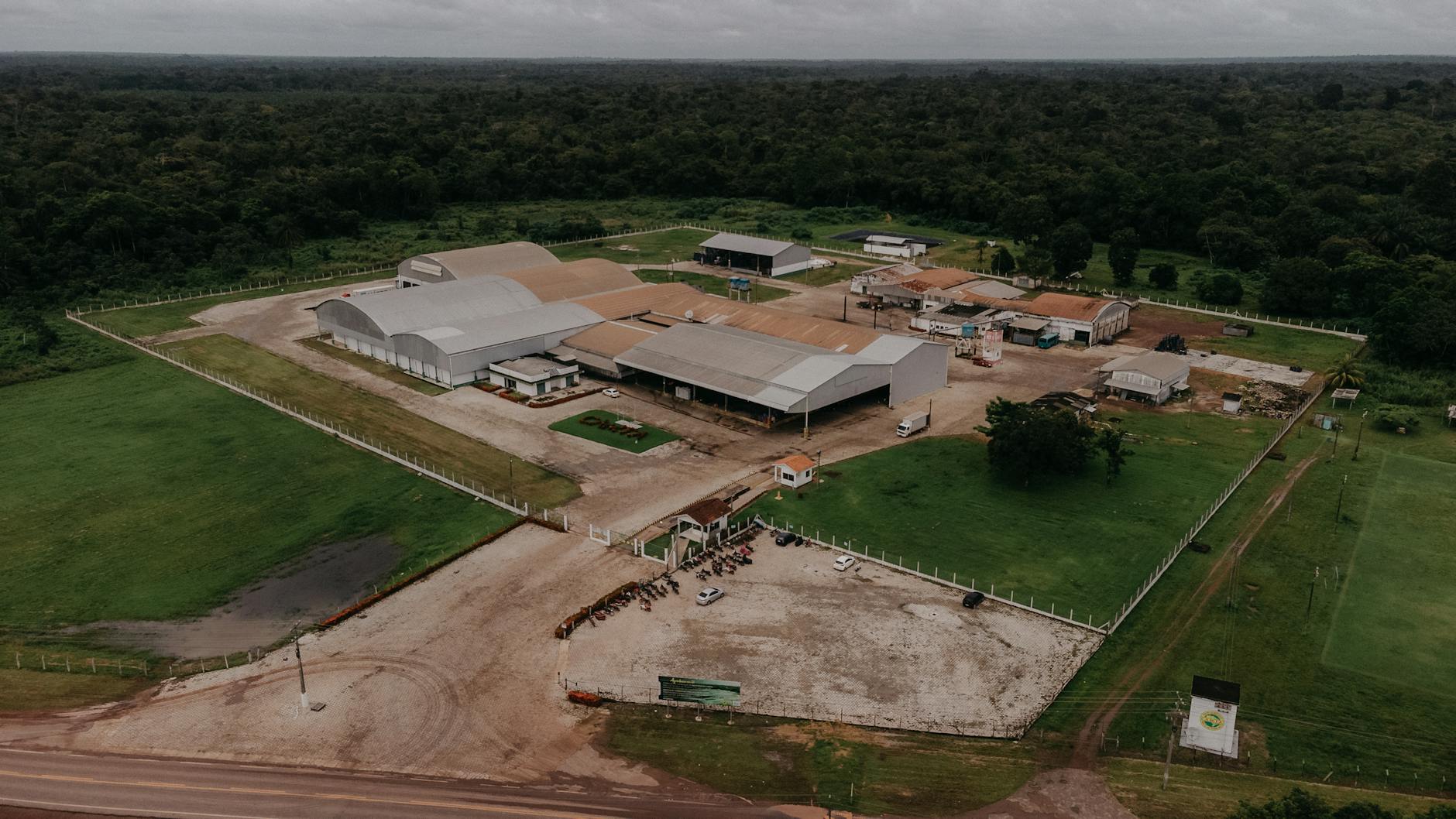
Agropoles are essentially agricultural hubs that unify production, processing, and distribution while emphasizing agro-industrial development. Tailored to harness local resources, they facilitate partnerships among farmers, businesses, and governments. This model mitigates logistical hurdles by streamlining supply chains and optimizing resource allocation:
- Each Agropole typically covers 5,000 hectares, integrating various agricultural activities.
- By aligning local resources with global supply chain needs, Agropoles transform local economies and reduce food imports.
- They promote social infrastructure projects, such as schools and healthcare facilities, enhancing community welfare.
Hosted by governments eager for economic diversification, Agropoles align perfectly with their developmental goals, showcasing how agriculture can drive broader socio-economic benefits.
Institutional Alignment
Since 1984, GEOTHERMIKI S.A. has been at the forefront of this shift, focusing on tangible improvements in agricultural productivity and community development. Recent endeavors in the DRC Kongo Central exemplify this commitment:
- $90.6 million: Investment in building Agropole infrastructure.
- 4,000 hectares: Dedicated to crop cultivation, connecting local farmers with international buyers.
- 30,000: Jobs created through strategic investments in agriculture and ancillary services.
These metrics underscore the potential returns on impact investing in Africa’s agricultural sector, illustrating how social infrastructure can be a catalyst for economic stability and community development.
Data Points
Investors focusing on Environmental, Social, and Governance (ESG) criteria will find the following compelling:
- ROI Potential: Studies suggest that every $1 invested in agricultural infrastructure can yield returns of up to $3.
- Sovereign Wealth Participation: Increasing interest from sovereign wealth funds could lead to an additional $10 billion in annual investments in African agriculture by 2030.
- Climate Resilience: Agropoles contribute to sustainable practices, making them attractive to ESG-focused investors looking to support climate adaptation strategies.
Conclusion
As Africa stands at a pivotal moment in its economic and agricultural development, Agropoles offer a strategic mechanism to enhance food sovereignty and community resilience. The alignment of governmental support with long-term investor interest presents a unique opportunity for partnerships that can yield considerable financial and social dividends. For institutional investors contemplating impactful allocations in Africa’s agriculture sector, engagement in Agropole initiatives might not only be an investment in infrastructure but a commitment to fostering economic sustainability and food security.
Call to Action: We invite institutional partners to explore opportunities for collaboration in developing Agropoles across Africa, harnessing local resources to achieve collective prosperity while fortifying food sovereignty.