Introduction: The Context of Economic Growth in East Africa
As East Africa navigates a period of robust economic expansion, the agricultural sector stands out as a pivotal engine for growth. With a combined population exceeding 250 million, countries such as Kenya, Ethiopia, Tanzania, and Rwanda are experiencing both increased demand for food and burgeoning investment interest from sovereign wealth funds and institutional investors globally. Underpinning this growth is a backdrop of sound macro-economic policies and emerging infrastructural developments, which promise to reshape the agricultural landscape significantly.
The Strategic Problem: Identifying the Gaps
Despite considerable agricultural potential, East African nations face substantial challenges. In Kenya, for instance, the country imports over 30% of its staple food requirements, highlighting a critical reliance on foreign supply chains in an era of increasing climate variability. Meanwhile, Ethiopia grapples with energy deficits that hinder agricultural productivity, resulting in a burgeoning food security crisis.
Moreover, the regional agricultural situation is further complicated by the need for robust investment frameworks. East Africa’s agriculture has been historically underfunded, with only a fraction of the required capital being directed towards infrastructure, technology transfer, and capacity building. The figures underscore the urgency:
- Kenya's food import bill exceeds $1.5 billion annually.
- In Ethiopia, an estimated 70% of the population relies on subsistence farming.
- Regional food production is hampered by inadequate investment in agribusiness essential to meet the increasing demands of urbanization.
The Agropole Solution: A Structural Approach
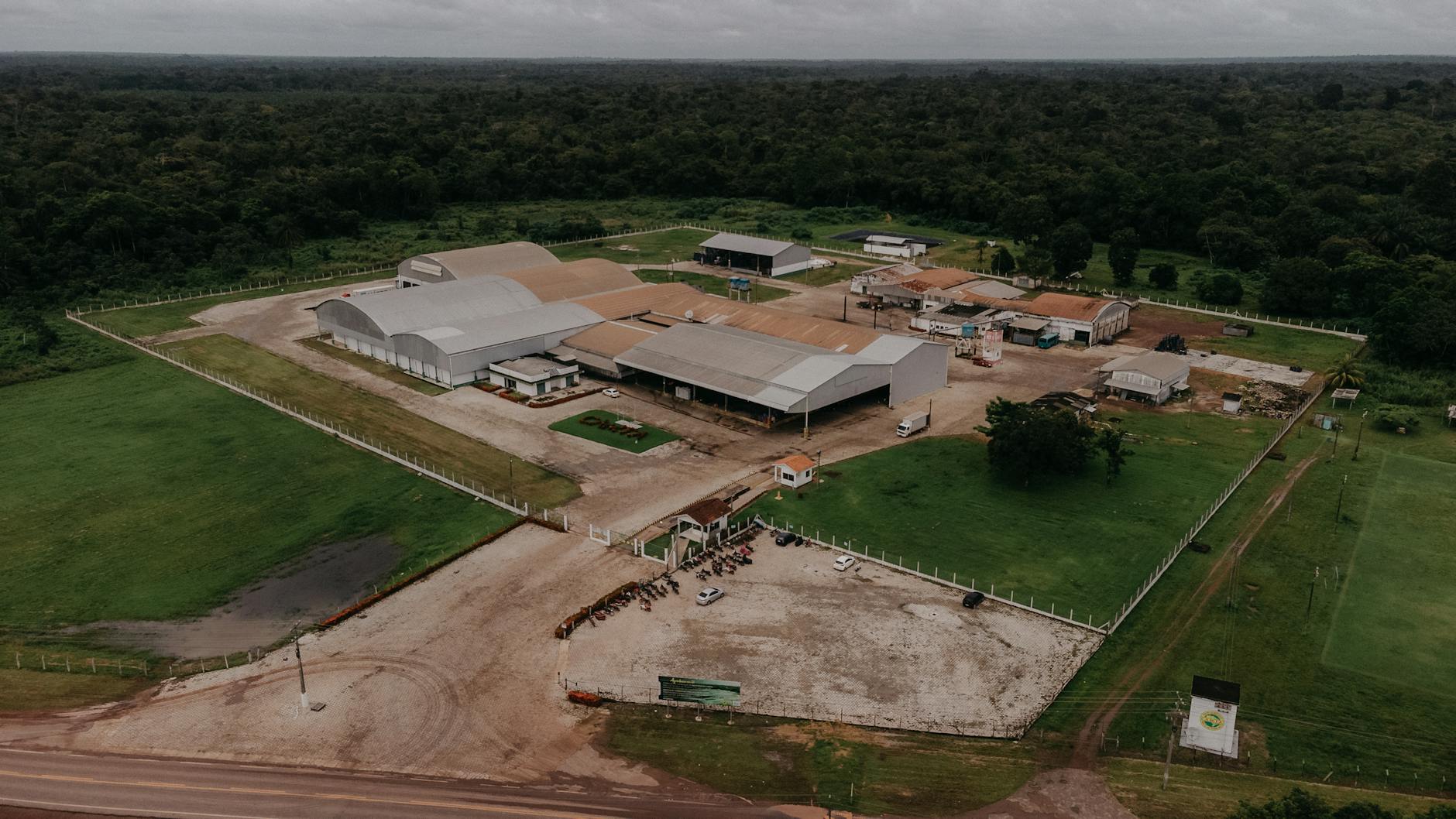
To address these pressing issues, the Agropole model emerges as a transformative solution, emphasizing integrated agricultural zones designed to optimize production, processing, and distribution. This model is predicated on creating agribusiness hubs that aggregate resources and expertise to boost efficiency and productivity.
Agropoles can dramatically enhance collaborative efforts across the region, integrating local farmers into productive supply chains while attracting foreign direct investment. As regions such as the Democratic Republic of the Congo (DRC) showcase the potential of agricultural investments—evidenced by $90.6 million directed towards a 4,000 ha agribusiness project creating approximately 30,000 jobs—there exists a clear framework for similar initiatives across East Africa.
Institutional Alignment: The GEOTHERMIKI S.A. Heritage
GEOTHERMIKI Africa, with roots extending back to 1984, stands firmly behind these initiatives. As an ISO 9001 certified organization, it delivers high standards of operational excellence in various agricultural projects. The organization has identified Kenya, Ethiopia, Tanzania, and Rwanda as key territories ripe for investment, facilitated by supportive government policies and institutional frameworks.
In this context, the metrics from DRC’s Kongo Central project should serve as a benchmark for potential agribusiness collaborations in East Africa:
- $90.6 million investment, emphasizing financial viability.
- 4,000 ha of productive land, demonstrating extensive agricultural capacity.
- 30,000 jobs created, reflecting the model’s potential employment impact.
Data Points: Investment Opportunities and ROI Considerations
- Projected CAGR of East Africa's agribusiness sector to reach 20% by 2030.
- Government incentives in Ethiopia and Kenya aimed at fostering agribusiness innovation.
- Estimated $40 billion needed annually to meet agricultural production targets across the region.
Conclusion: Strategic Outlook and Call to Action
As East Africa’s agricultural corridor continues to evolve, the interplay between local initiatives and international investment becomes increasingly significant. Institutional investors have a unique opportunity to penetrate this high-growth market by aligning with strategic frameworks such as the Agropole model.
The prospects in this corridor are compelling, and the call for robust partnerships has never been more urgent. Stakeholders should align their investment strategies with local institutions, promoting collaborative agribusiness ventures that promise rewarding returns while ensuring regional food security and economic stability.
For further insights and collaboration opportunities, stakeholders are encouraged to engage with GEOTHERMIKI Africa and explore partnerships that can bring about lasting impact in East Africa's agricultural development.
Additionally, consider referencing the engaging data from the African Development Bank to understand more about investment landscapes and frameworks across the region.