Introduction
As global food insecurity rises, driven by a confluence of climatic challenges and geopolitical tensions, the spotlight is increasingly focused on agriculture—specifically, the agricultural value chain in Africa. The continent is endowed with vast arable land and a burgeoning youth population, yet it faces a paradox: over 250 million people remain undernourished, and significant quantities of food are lost post-harvest. For sovereign wealth funds and institutional investors, this scenario unveils a compelling investment frontier, marked by the high margins characteristic of post-harvest processing and transformation.
The Strategic Problem
Food loss in Africa is astonishing, with estimates suggesting that approximately 30-40% of agricultural products are wasted due to inadequate post-harvest handling and processing. Furthermore, Africa imports nearly $35 billion worth of food annually, leading to a chronic food security crisis. Addressing these inefficiencies is not merely a moral imperative; it is also a lucrative financial opportunity.
The Agropole Solution
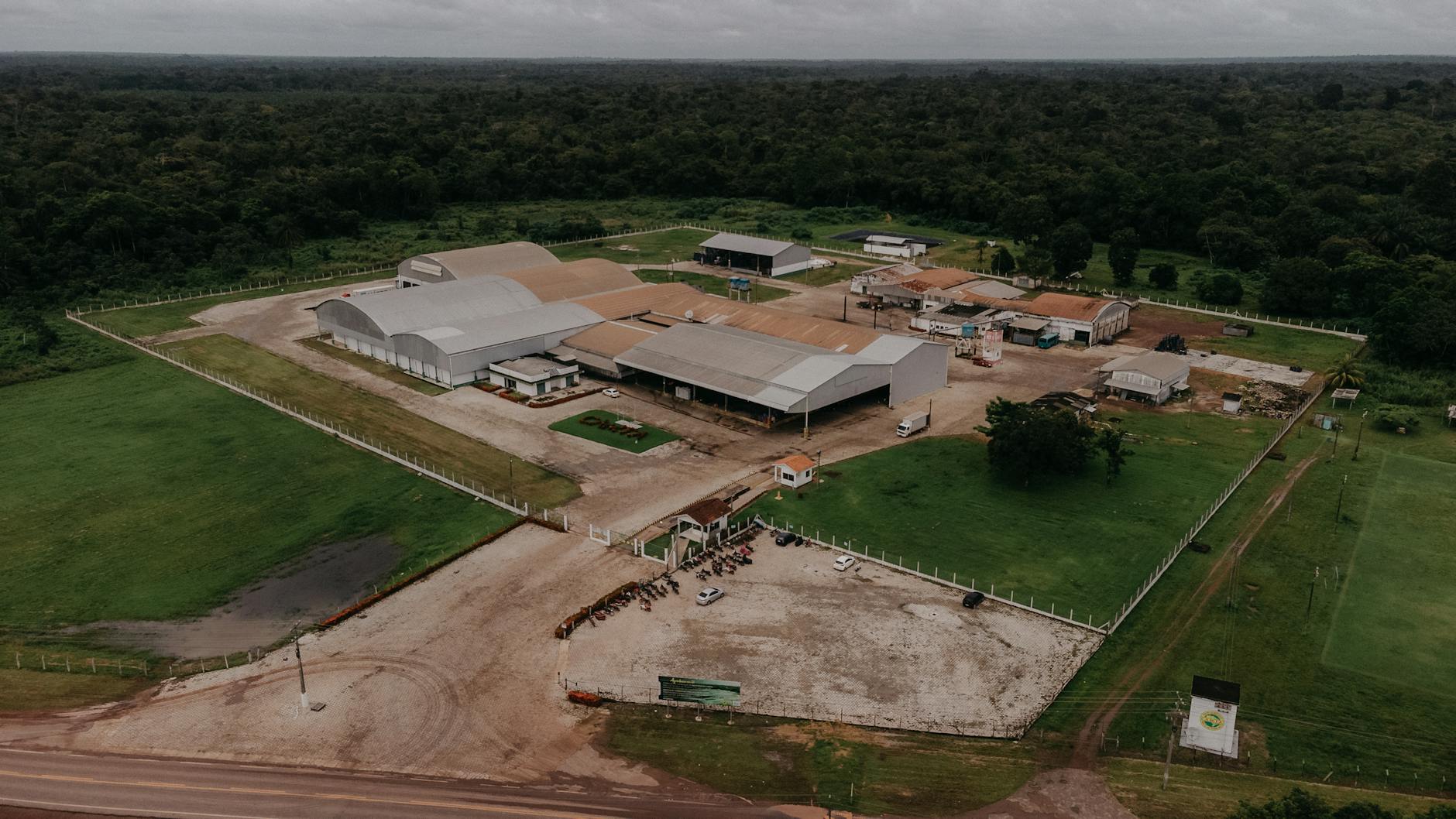
The Agropole model emerges as a comprehensive approach to empowering post-harvest processing and boosting value addition in African agriculture. This multi-faceted initiative aims to construct integrated agri-industrial parks that encompass production, processing, and storage, ensuring that agricultural outputs are efficiently converted into high-value products. By facilitating partnerships between public and private sectors, the Agropole structure promotes risk-sharing and leverages diverse funding sources. Services such as market access, technology transfer, and advisory support are critical to these partnerships.
Institutional Alignment
GEOTHERMIKI Africa, proudly linked to its heritage through GEOTHERMIKI S.A., has maintained a steadfast commitment to enhancing the agricultural sector since 1984, aligning operations with ISO 9001 standards. With significant projects like the DRC Kongo Central initiative—representing $90.6 million in investment over 4,000 hectares and creating 30,000 jobs—the potential for robust public-private partnerships is clear. As investors seek to allocate capital towards high-impact sectors, agribusiness in Africa stands out as a strategic alignment in achieving both economic returns and social development goals.
Data Points
- Estimated annual food losses in Africa: 30-40%
- Annual food import bill: $35 billion
- Projected ROI on post-harvest processing investments: 20-30%
- Capacity created through DRC Kongo Central project: 30,000 jobs
- Investment size of DRC Kongo Central initiative: $90.6 million
Conclusion
The post-harvest processing and transformation segment represents a prime opportunity for institutional investors aiming to make a significant impact on food security while yielding substantial returns. By aligning with the Agropole framework, supported by GEOTHERMIKI Africa's long-standing expertise and commitment to quality, investors can simultaneously navigate the challenges of food loss and capitalize on a burgeoning growth sector. We invite sovereign wealth funds and institutional investors to consider strategic partnerships that will harness the potential of African agribusiness. Together, we can address pressing food security challenges while realizing remarkable financial opportunities in this vital arena.