Introduction
Across Africa, the agricultural sector is a lynchpin of economic stability, yet it continues to be hindered by significant challenges ranging from climate change to inadequate infrastructure. While the continent boasts vast arable land and a youthful population, the persistent issue of food insecurity remains prevalent, exacerbating socio-economic inequalities and stifling growth potential. As global agricultural markets evolve, Ethiopia’s crop yields, Nigeria's cassava production, and South Africa's maize exports exemplify a broader narrative of growth. However, the spotlight now shifts towards the critical, yet often overlooked, segment of the agricultural value chain—post-harvest processing—where the highest-margin opportunities reside.
The Strategic Problem
Despite the continent's agricultural potential, Africa grapples with a staggering inefficiency in its post-harvest sector. Current estimates indicate that approximately 30% of food produced in sub-Saharan Africa is lost due to inadequate storage, processing, and transportation facilities. The World Bank has highlighted that post-harvest losses contribute to a staggering $4 billion in economic losses annually. Additionally, Africa bears a significant reliance on food imports, which amounted to over $35 billion in 2019. Increasingly, such dependence undermines food security and economic self-sufficiency, necessitating heightened investments in improving the entire post-production value chain.
The Agropole Solution
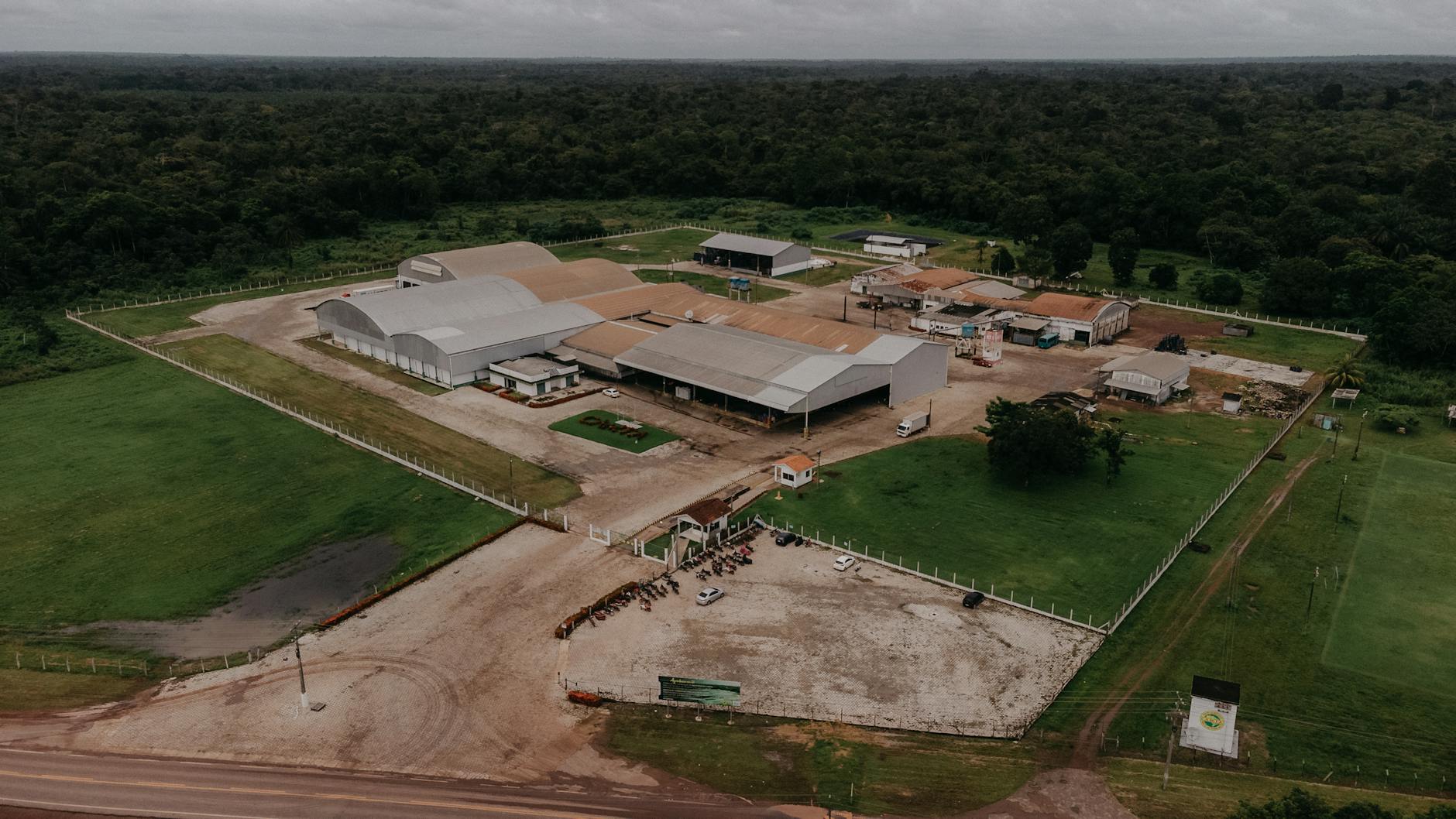
The Agropole model presents a compelling solution to this pressing issue within the agricultural landscape. Developed to enhance value creation at local levels, Agropoles act as a pivotal link in the agricultural supply chain. These specialized hubs integrate various stakeholders—from farmers to agribusinesses—converging resources, knowledge, and capital to maximize efficiency and profitability. By aligning logistical networks, quality control mechanisms, and advanced processing practices, Agropoles significantly reduce the losses typically seen in the post-harvest phase. Furthermore, they bolster local economies by creating jobs and enhancing the overall value proposition of agricultural outputs.
Key Features of the Agropole Model
- Integrated Supply Chains: By creating a centralized hub for storage and processing, Agropoles minimize the distances food travels from farms to markets.
- Quality Assurance: Establishing standards and protocols to elevate product quality thereby increasing market value.
- Employment Opportunities: It is projected that for every $1 million invested in an Agropole, 500 direct jobs could be created, significantly benefiting local communities.
Institutional Alignment
GEOTHERMIKI S.A. brings decades of expertise in agribusiness and value chain development since its inception in 1984, proudly holding ISO 9001 certification. The company's legacy of excellence is further exemplified by its initiatives across the Democratic Republic of the Congo (DRC), particularly in Kongo Central. With a reported investment of $90.6 million, GEOTHERMIKI has cultivated approximately 4,000 hectares of land, creating 30,000 jobs while reinforcing the critical nature of post-harvest processing.
Data Points
- 30%: Estimated food loss due to post-harvest inefficiencies.
- $4 billion: Annual economic losses due to post-harvest wastage.
- $35 billion: Value of Africa’s food imports as of 2019.
- 500 jobs: Direct employment opportunities generated per $1 million investment in Agropoles.
- $90.6 million: GEOTHERMIKI S.A.'s investment in DRC resulting in 4,000 hectares cultivated and 30,000 jobs created.
Conclusion
The path to elevating African agriculture and enhancing food security lies in harnessing the unrealized potential of post-harvest processing. As global investors increasingly seek opportunities that promise both financial returns and social impact, the Agropole model provides a roadmap for significant investment in the agricultural value chain that is poised to reshape the future of agribusiness in Africa. Institutional partners are urged to engage in collaborative efforts that align capital with the urgent need for infrastructure development in this sector. Together, we can create a resilient agricultural ecosystem that not only addresses food security concerns but also initiates a new era of economic vitality.
For more insights on investment opportunities in African agriculture, visit GEOTHERMIKI S.A..
To understand the broader implications of agricultural investments, refer to this report from the African Development Bank.