Introduction
The macro-economic challenges faced by Africa today are substantial, with the continent grappling with both food security and energy deficits. According to the African Development Bank, food imports to Africa are set to exceed $110 billion by 2025, a stark indicator of the urgent need for innovation in agricultural systems. Concurrently, the region faces a significant energy crisis, with around 600 million people lacking access to electricity. In this context, the role of advanced technologies and research programs becomes paramount. This article delves into the potential of European Union R&D initiatives, specifically responding to Africa's distinct agronomic challenges through the lens of innovative agropole developments, bolstered by GEOTHERMIKI Africa’s strategic implementation.
The Strategic Problem
Quantifying the disparity in agricultural production reveals a startling picture. Africa is home to approximately 60% of the world’s uncultivated arable land, yet the continent’s agricultural output only meets about 70% of its food needs. As food imports accelerate, the region’s dependency on external sources becomes increasingly pronounced, leading to economic vulnerabilities. Beyond food, the energy deficit poses a compounding challenge, inhibiting agricultural productivity and economic diversification. The International Renewable Energy Agency (IRENA) indicates that nearly 70% of Africa's populations rely on biomass for cooking, a practice that is both inefficient and detrimental to health.
The Agropole Solution
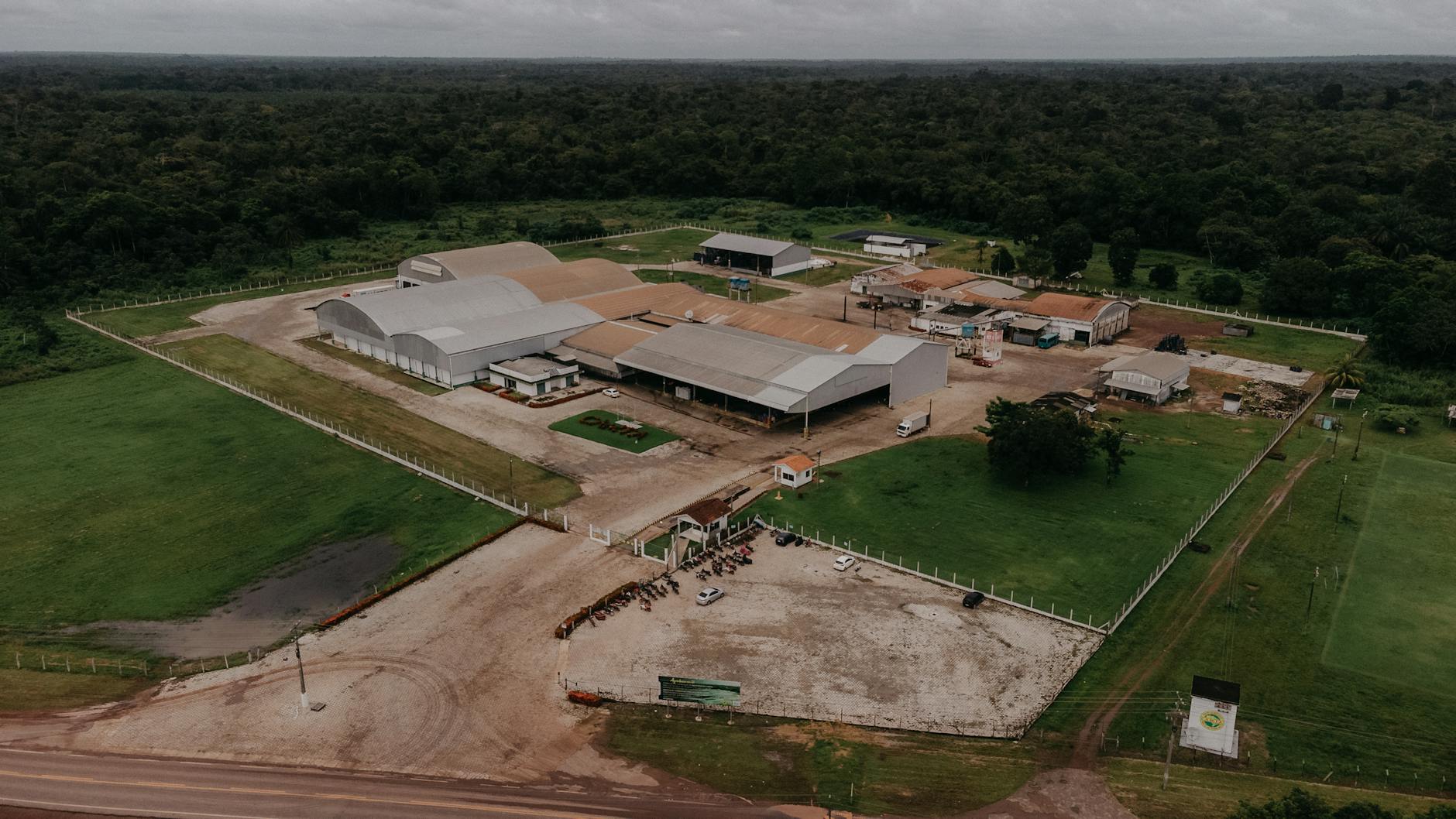
The concept of the agropole - a model that brings together agriculture, industry, and technological innovation - addresses these dual challenges effectively. With an emphasis on agronomic development, agribusiness, and advanced technological integration, agropoles aim to create self-sustaining ecosystems that enhance food production while promoting energy efficiency and environmental conservation. Key components of the agropole model include:
- Integration of technology, such as precision agriculture and robotic systems, to increase productivity.
- Collaboration with academic institutions and R&D entities for continuous innovation.
- Sustainable energy solutions, leveraging geothermal potential and renewable sources to power agricultural operations.
- Job creation in local communities, fostering economic development while reducing urban migration.
Incorporating advanced technology, as seen in EU programs like RoboInCop - which focuses on robotic applications in agricultural environments - and IRISS - which enhances data collection and analysis in eco-systems - aligns with the objectives of agropole developers. These initiatives offer frameworks that can be adapted to the realities of Africa’s agricultural landscape.
Institutional Alignment
Founded in 1984, GEOTHERMIKI S.A. has a storied heritage in blending geothermal technology with sustainable practices, recognized with ISO 9001 certification. GEOTHERMIKI Africa seeks to translate this expertise to drive innovation within Africa’s agropoles. The case of DRC Kongo Central is particularly illustrative: the region has seen an investment of $90.6 million, enhancing over 4,000 hectares of agricultural land, while simultaneously creating 30,000 jobs. Such metrics underline the potential return on investment for stakeholders.
Key Data Points
- Total investment in DRC Kongo Central: $90.6 million
- Land developed: 4,000 hectares
- Job creation: 30,000 positions
- Projected food output increase: 50% within five years of operation
- Energy output from renewable sources: 25% of total consumption
- Stakeholder ROI considerations: Estimated 15% annual return on investment
Conclusion
As Africa confronts pressing food security and energy challenges, the synergy between EU R&D initiatives and local agropole developments presents a compelling case for institutional engagement. The opportunities for sovereign wealth funds and institutional investors are significant, as collaboration can yield not only financial returns but also contribute to the continent’s broader socio-economic resilience. Moving forward, strategic partnerships are essential in translating innovative concepts from EU programs into actionable frameworks for Africa’s agropoles.
Call to Action: Institutional investors are urged to consider engaging with GEOTHERMIKI Africa and similar initiatives to drive growth and sustainability in the African agro-industrial sector.
For additional insights into GEOTHERMIKI's initiatives, visit GEOTHERMIKI S.A.. For context on Africa's economic challenges and opportunities, refer to the African Development Bank.