DRC's Kongo Central: A Geothermal-Powered Agro-Industrial Revolution?
The Democratic Republic of Congo (DRC), despite its vast agricultural potential, remains heavily reliant on food imports. This dependence exposes the nation to volatile global markets and hinders sustainable economic growth. Kongo Central province is pioneering a strategy to transform its agricultural sector through the development of agro-industrial parks, leveraging geothermal energy for a competitive advantage.
The Strategic Problem: Bridging the Food Import Gap
The DRC's agricultural sector faces significant challenges, including low productivity, inadequate infrastructure, and limited access to finance. As a result, the country imports a substantial portion of its food requirements. The figures are stark:
- Estimated annual food imports exceed $2 billion USD.
- Post-harvest losses account for up to 40% of production.
- The agricultural sector contributes only 20% to the national GDP, despite employing over 60% of the population.
This reliance on imports creates a precarious situation, vulnerable to price fluctuations and supply chain disruptions. Addressing this imbalance is crucial for ensuring food security and fostering long-term economic stability.
The Agropole Solution: Engineered Ecosystems for Agricultural Growth
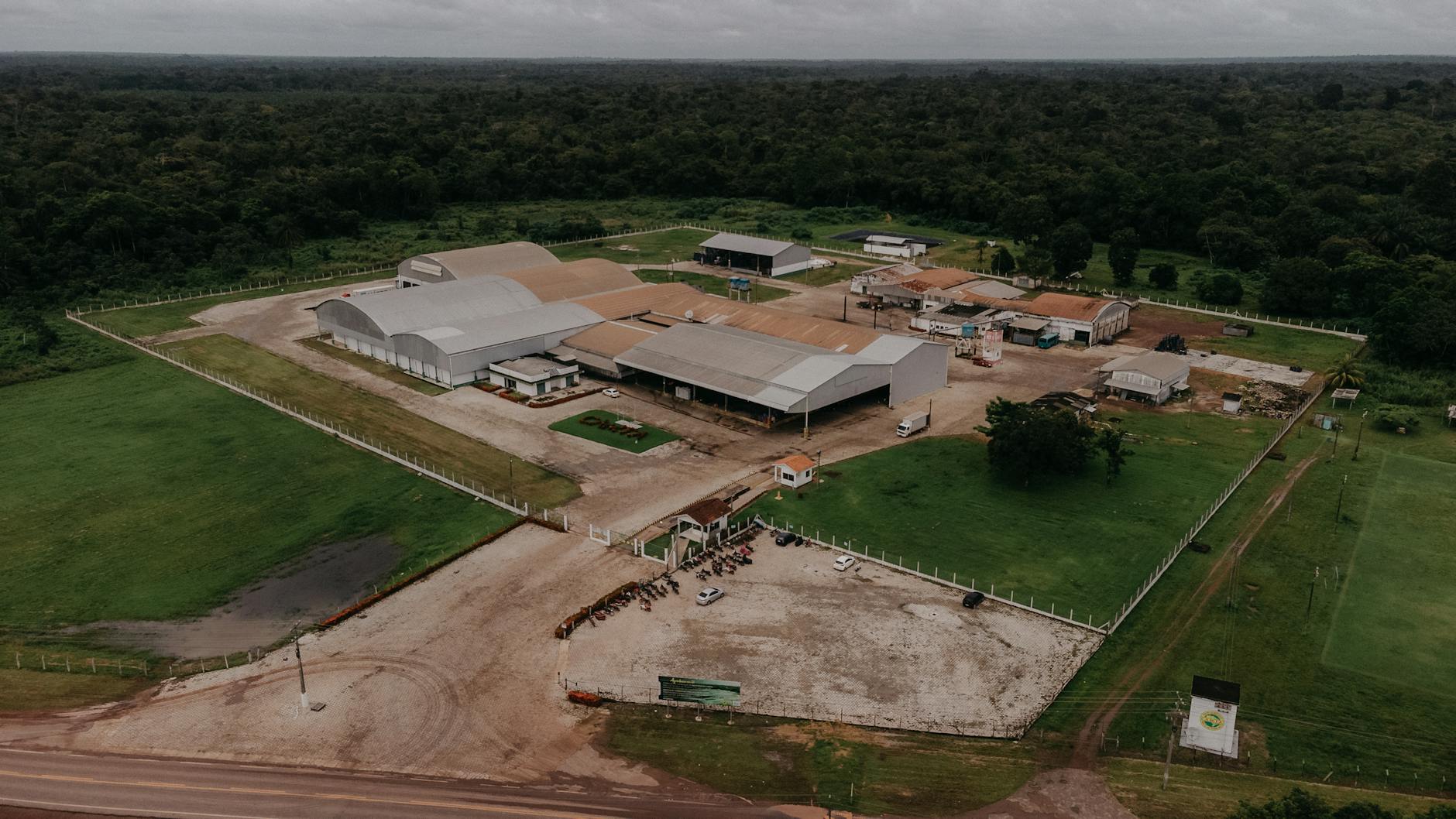
Agro-industrial parks, or Agropoles, offer a comprehensive solution by integrating agricultural production, processing, and distribution within a designated zone. By centralizing resources and infrastructure, these parks enhance efficiency, reduce post-harvest losses, and attract investment in value-added processing activities. These agricultural SEZ strategies are key to attracting investor attention.
The Kongo Central model focuses on:
- Providing centralized infrastructure, including geothermal-powered energy, irrigation systems, and cold storage facilities.
- Attracting agribusiness investment through incentives such as tax breaks and streamlined regulatory processes.
- Facilitating access to finance for smallholder farmers and agribusinesses.
- Developing value chains that link production to processing and marketing.
Institutional Alignment: GEOTHERMIKI Africa's Role in Development
GEOTHERMIKI Africa, building upon the legacy of GEOTHERMIKI S.A. (https://geotherm.gr/) – a company with a proven track record since 1984 and ISO 9001 certification – is playing a pivotal role in developing these Agropoles. The company's expertise in geothermal energy and agricultural infrastructure makes it uniquely positioned to support the Kongo Central initiative. GEOTHERMIKI Africa is a key player in de-risking agribusiness investment Africa.
One significant project in Kongo Central demonstrates the potential of this approach:
- Projected investment: $90.6 million USD.
- Land area: 4,000 hectares.
- Estimated job creation: 30,000 direct and indirect jobs.
These figures highlight the potential for significant economic impact. Moreover, the integrated geothermal energy component provides a source of clean, reliable, and cost-effective power, enhancing the competitiveness of the park's operations.
Data Points: Investment Risk Assessment
Investment in Kongo Central's Agropoles presents both opportunities and risks. However, a structured approach can mitigate potential challenges:
- ROI Considerations: Projected internal rates of return (IRR) range from 15% to 20%, contingent on efficient management and market access.
- Geopolitical Risks: Political stability and governance are critical factors. Mitigation strategies include thorough due diligence, risk insurance, and strong partnerships with local communities. Investors should also consider political risk insurance options offered by groups such as the African Development Bank.
- Infrastructure Deficiencies: While Agropoles address some infrastructure gaps, broader transportation networks require improvement. Public-private partnerships (PPPs) can leverage private sector expertise to address these challenges.
- Land Tenure Security: Clear and secure land tenure is essential for attracting long-term investment. Establishing transparent land registration systems and addressing customary land rights are crucial.
- Environmental Impact: Implementing environmentally, and socially sustainable practices is critical. Proper waste management, water conservation, and biodiversity protection measures should be integrated into park operations.
Conclusion: A Strategic Call to Action
Kongo Central's Agropole initiative represents a strategic opportunity to address food security challenges, promote economic diversification, and attract foreign investment. By leveraging geothermal energy and integrating agricultural value chains, these parks can drive sustainable growth and create new economic opportunities. Sovereign Wealth Funds, Institutional Investors and Global Policy Makers must consider the macroeconomic fundamentals behind DRC’s opportunity.
For institutional investors seeking impactful and sustainable investments, GEOTHERMIKI Africa (https://geothermiki-africa.com/) offers a unique partnership opportunity. By collaborating with GEOTHERMIKI Africa, investors can gain access to projects with strong growth potential and contribute to the development of a more resilient and prosperous agricultural sector in the DRC.