Introduction
Africa's agricultural sector, once considered a sleeping giant, stands at a pivotal crossroads amid growing geopolitical tensions and economic shifts. With a combined agricultural output valued at over $313 billion in 2020, the continent is under increasing pressure to not only boost productivity but to also develop a robust agricultural value chain. As food security becomes an urgent priority—amidst rising import dependencies and fluctuating global food prices—strategic investments in post-harvest processing present lucrative opportunities for sovereign wealth funds and institutional investors.
The Strategic Problem
The challenges facing African agriculture are stark. Currently, the continent imports approximately $35 billion worth of food annually—a figure projected to rise significantly in the coming years without meaningful interventions in domestic production and processing capabilities. As highlighted by the African Development Bank, at least 30% of harvested crops are lost post-harvest due to inadequate processing facilities, leading to substantial economic wastage and posing a direct threat to food security. Addressing this gap in post-harvest processing is critical for turning marginal gains into higher profits and ensuring the affordability and availability of food across the continent.
The Agropole Solution
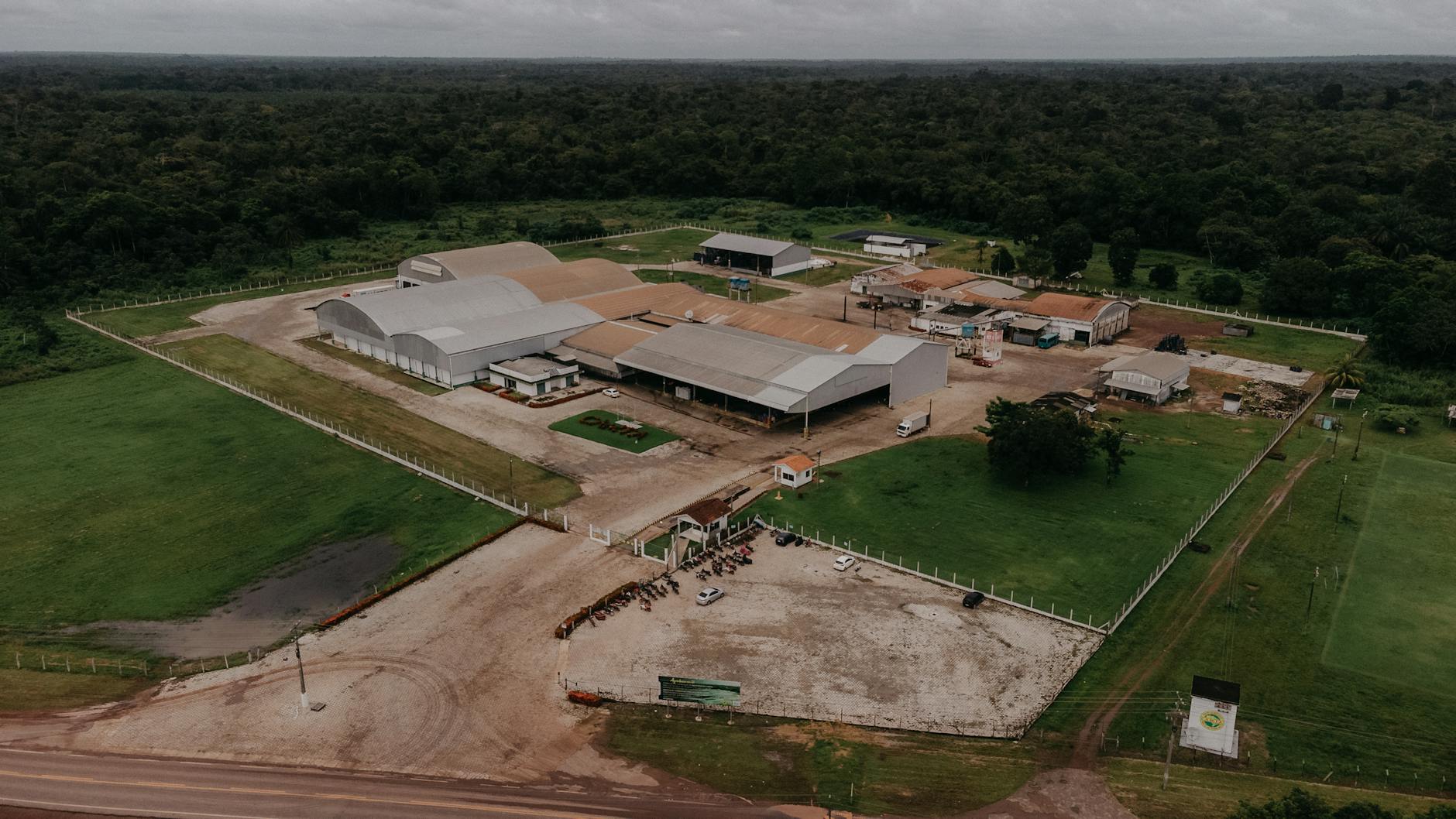
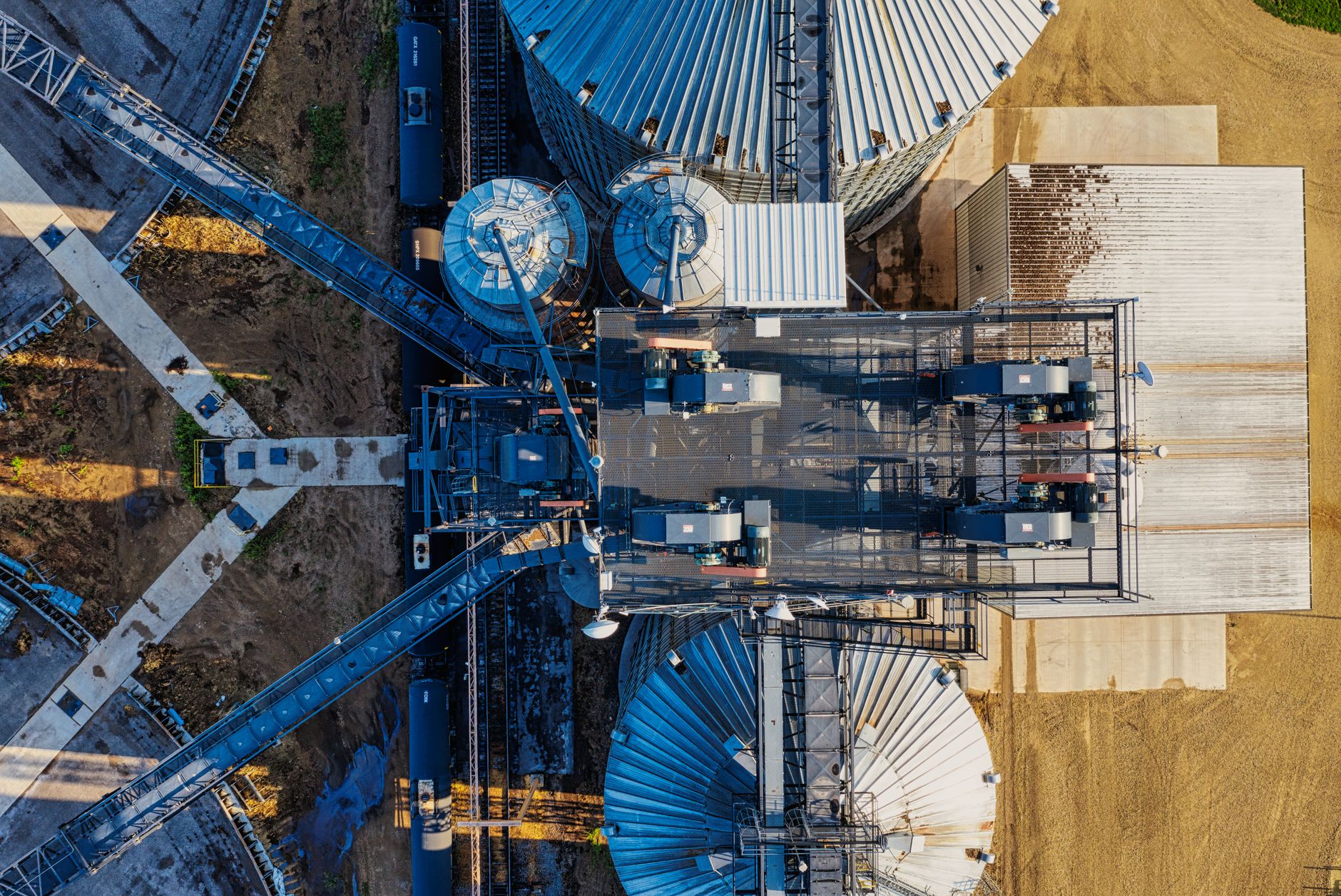
The Agropole model emerges as a forward-thinking approach tailored to bolster Africa’s agricultural value chain through enhanced post-harvest processing. By creating integrated hubs focused on processing, storage, and distribution, Agropoles can significantly mitigate post-harvest losses and enhance the marketability of agricultural products. This model not only supports local farmers—offering them access to modern technology and facilities—but also helps stabilize prices, thereby benefiting consumers.
Institutional Alignment
GEOTHERMIKI Africa, drawing on the heritage of GEOTHERMIKI S.A. since 1984, plays a crucial role in this transformative journey. With ISO 9001 certification and extensive experience in sustainable models, our operational metrics within the DRC Kongo Central region exemplify success:
- Investment: $90.6 million in infrastructure and processing facilities.
- Land Utilization: 4,000 hectares dedicated to diverse agricultural production.
- Employment: Creation of 30,000 jobs, contributing to local economies.
Such metrics not only validate the effectiveness of the Agropole system but also underscore the potential for substantial returns on investment when directed strategically toward agro-value chain enhancement.
Data Points
- Africa has enormous potential with 60% of the world's uncultivated arable land.
- Post-harvest processing can triple the incomes of smallholder farmers.
- Investments in this segment yield higher ROI compared to primary production alone.
- Projected growth rate for agribusiness in Africa: 6% annually, outpacing global averages.
Conclusion
Positioned as a critical pivot for enhancing Africa's food security and agribusiness profitability, post-harvest processing requires urgent attention from institutional investors. Collaborations with organizations like GEOTHERMIKI Africa offer pathways to not only unlock economic value but also introduce greater resilience into the agricultural landscape amidst fluctuating global dynamics. As geopolitical uncertainties loom, fostering partnerships in Africa's agricultural value chain development becomes imperative. Investors are invited to explore opportunities that promise both immediate and long-term yields, thus reinforcing food security in Africa while maximizing financial returns.