Introduction
As the global economy continues to grapple with the ramifications of geopolitical tensions, climate change, and resource scarcity, North Africa stands out with its strategic proximity to European Union (EU) markets. With a growing population and substantial agricultural potential, the region is increasingly seen as a key player in fostering enhanced food security and energy sustainability in Europe. Coupled with robust infrastructure and an emerging focus on agricultural investments, North African nations—particularly Egypt, Morocco, Algeria, and Tunisia—are attracting the interest of sovereign wealth funds and institutional investors keen on diversifying their portfolios and securing long-term returns.
The Strategic Problem
Despite its agricultural capabilities, the North African region faces significant challenges that hinder its potential. Approximately 50% of food consumed in these countries is imported, driven by both rising demand and insufficient domestic production. Egypt alone is estimated to import nearly $12 billion worth of food annually, which underscores its vulnerability to global supply chain disruptions. Furthermore, energy deficits plague many of these nations, contributing to a reliance on external sources.
The strategic problem lies in addressing the food import gap and enhancing energy self-sufficiency. North Africa's agricultural landscape, marked by low productivity and inefficient resource allocation, further exacerbates the situation, necessitating a coherent plan that can align institutional and private capital with sustainable development goals.
The Agropole Solution
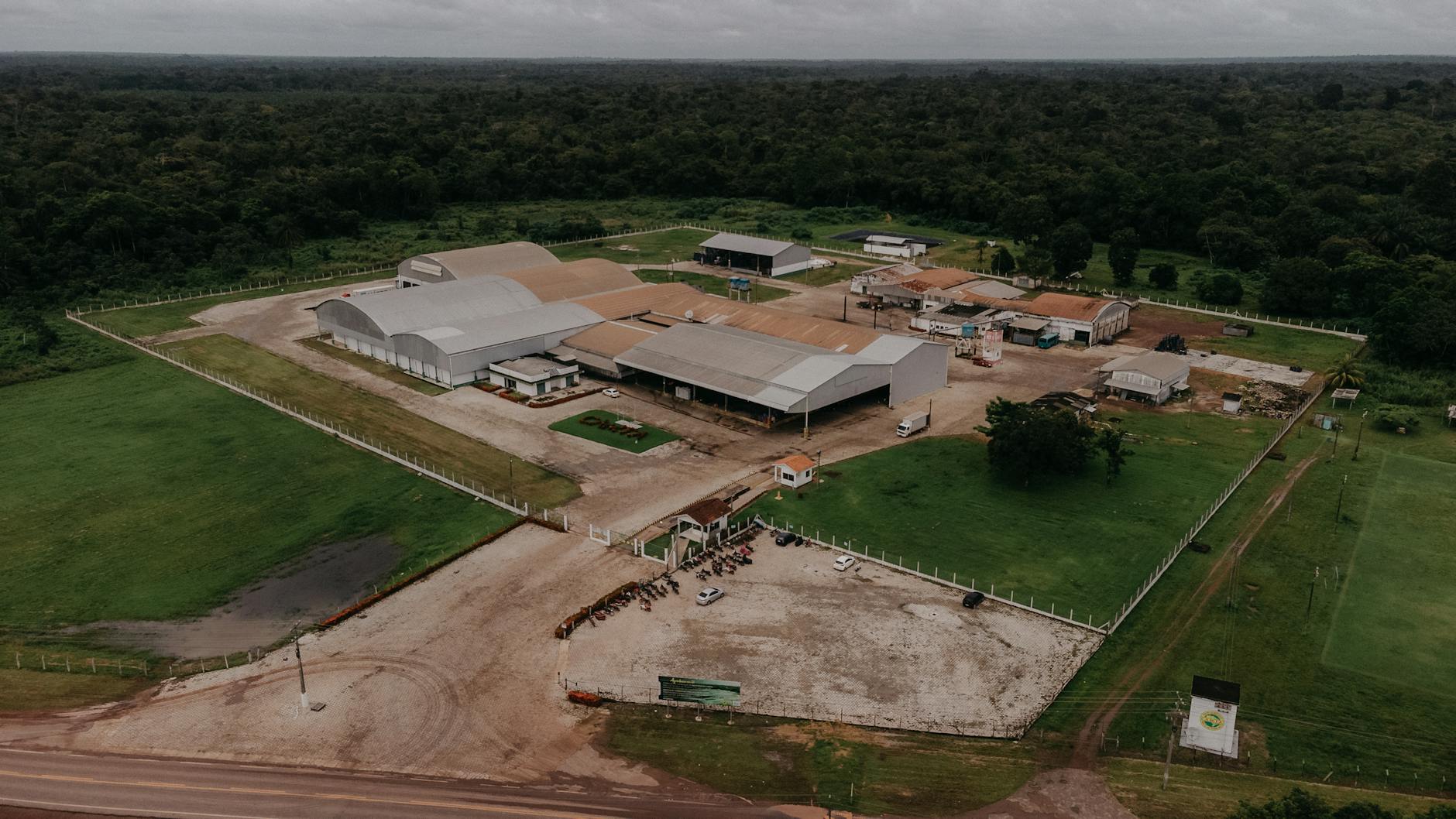
The Agropole model emerges as a potential beacon of transformation within the North African agricultural sector. This comprehensive approach integrates large-scale agribusiness clusters designed to optimize synergy between production, processing, and logistics. By establishing dedicated agricultural zones equipped with state-of-the-art infrastructure, Agropole can streamline operations and improve output quality. The model fosters collaboration between public entities and private agricultural investors, creating an ecosystem conducive to innovation and productivity.
The advantages of implementing the Agropole framework in North Africa are manifold:
- Enhanced Production Efficiency: By consolidating agricultural activities within designated zones, investments can unlock economies of scale.
- Infrastructure Development: Agropole's design prioritizes modern transportation, irrigation systems, and energy sources, critically aligning with the region's infrastructural development goals.
- Market Access: Proximity to EU markets allows North African agribusinesses to capitalize on European demand while adhering to stringent quality standards.
The Agropole model not only addresses immediate production demands but also positions North African nations as reliable partners for European agricultural imports.
Institutional Alignment
At the heart of this alignment is GEOTHERMIKI Africa, a company with a heritage dating back to 1984 and an ISO 9001 certification that underscores its commitment to quality and excellence. GEOTHERMIKI's initiatives in the DRC Kongo Central serve as a blueprint for successful agricultural investment; with $90.6 million invested over 4,000 hectares, the project has generated 30,000 jobs while reinforcing the importance of sustainable agricultural practices.
Data Points
- Food Imports: 50% of food consumed in North Africa is imported.
- Egypt's Annual Food Import Cost: Approximately $12 billion.
- Funding for DRC Agriculture Investment: GEOTHERMIKI's $90.6 million in the Kongo Central.
- Impact on Jobs: 30,000 jobs created through agro-investment.
- Area Under Management: 4,000 hectares allocated for agricultural development.
- Collaboration Insight: Potential returns on investment are expected to grow with the establishment of Agropole frameworks.
Conclusion
As Europe continues to seek reliable sources of agricultural imports amidst fluctuating global supply chains, North Africa epitomizes a region ripe for investment. The interplay of strong infrastructure, geographic advantage, and proactive agricultural policies positions Egypt, Morocco, Algeria, and Tunisia as potential frontrunners. By embracing innovative models such as the Agropole framework and fostering partnerships led by institutions like GEOTHERMIKI Africa, North African nations can not only meet local needs but also emerge as pivotal suppliers for the European market.
Institutional investors and sovereign wealth funds now find a unique opportunity to engage with North African agriculture, delivering returns while contributing to regional stability and growth. The time to establish strategic partnerships is now, aligning capital with meaningful agricultural advancements that can redefine the sector's future in North Africa.