Introduction
In a macroeconomic context characterised by the vulnerability of food and energy supply chains, African countries find themselves at a crucial crossroads. The growing dependence on food imports and the challenges surrounding energy access underscore the urgency of initiatives that bolster food security and enhance agricultural infrastructure. According to data from the African Development Bank, the continent possesses an untapped agricultural potential of 875 million hectares, while one-third of the population still suffers from malnutrition.
The Strategic Challenge
Despite its vast agricultural resources, Africa continues to face significant challenges in food production. In 2022, the continent imported foodstuffs valued at approximately $48 billion, which constitutes over 10% of its total imports. The combination of inadequate infrastructure and inefficient supply chains hampers countries' abilities to meet rising demand. Furthermore, the energy deficit stands at 40% in many regions, thus limiting the capacity of agricultural operations to modernise and enhance productivity.
The Agropole Solution
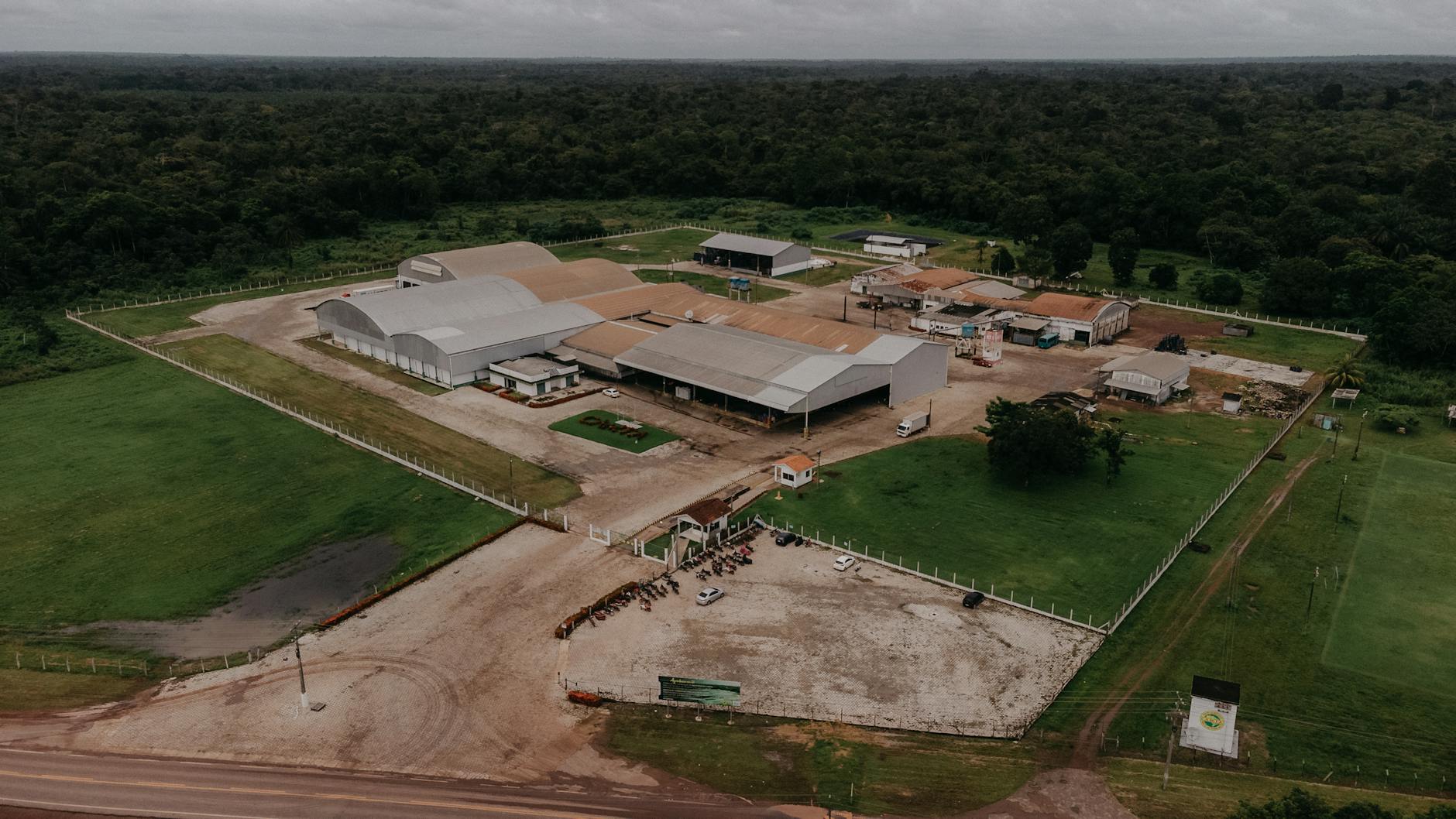
Agropoles are designed to serve as hubs of innovation and agro-food production, integrating various activities throughout the value chain. These integrated agricultural zones bring together farmers, processors, and distribution businesses within a framework conducive to investment and innovation. By providing support in terms of infrastructure, market access, and technical assistance, Agropoles represent an innovative response to the challenges facing agriculture in Africa.
Key Components of the Agropole:
- Integration of agro-food sector value chains.
- Modern infrastructure for storage and processing.
- Training programmes for farmers and entrepreneurs.
- Public-private partnerships to ensure sustainability.
Institutional Alignment
With a robust track record since 1984, GEOTHERMIKI S.A., certified ISO 9001, plays a pivotal role in the implementation of the Agropole initiative in the Democratic Republic of the Congo, particularly in the Kongo Central region. In 2023, we announced the development of an Agropole spanning 4,000 hectares, with a projected investment of $90.6 million, thereby creating 30,000 direct and indirect jobs in the region. This Agropole model emphasises sustainable innovation, capacity building, and productivity enhancement, as a direct response to the identified challenges.
Key Points
Relevant Data:
- 80% of the African population relies on agriculture for its income.
- The investments required for food self-sufficiency could reach $30 billion annually.
- The agro-food sector could grow by 50% by 2030, creating millions of jobs.
Conclusion
Agropoles represent a unique opportunity for sovereign wealth funds, institutional investors, and policymakers to actively engage in agricultural development in Africa. The seamless integration of supply chains, coupled with the expertise of GEOTHERMIKI Africa, can advance food security, reduce imports, and generate valuable economic returns. We invite institutional partners to invest in Agropoles, not only as a return on investment opportunity but as an essential contribution to the sustainable development of the continent.