Introduction
In an uncertain global economic context characterised by market fluctuations and escalating geopolitical tensions, Africa emerges as a veritable Eldorado for investments in real assets. Sovereign wealth funds, representing over 10 trillion dollars in assets, are seeking to diversify their portfolios by targeting countries with robust growth prospects. Africa, with its untapped potential in natural and agricultural resources, is increasingly attracting the attention of these institutional investors.
The Strategic Challenge
The African continent faces considerable strategic challenges. Among the most pressing are:
- Food Dependency: Approximately 50 billion dollars' worth of food products are imported each year.
- Energy Deficit: Over 600 million people lack access to reliable electricity.
These gaps present a unique opportunity for sovereign wealth funds wishing to invest in sustainable, high-impact initiatives. The development of agri-food and energy infrastructure in Africa could yield not only substantial financial returns but also social and environmental benefits.
The Agropole Solution
The Agropole model represents an integrated response to the aforementioned challenges. By promoting public-private partnerships (PPPs) through agricultural and energy projects, particular emphasis is placed on sustainability and profitability. Here is how the Agropole model fits into this framework:
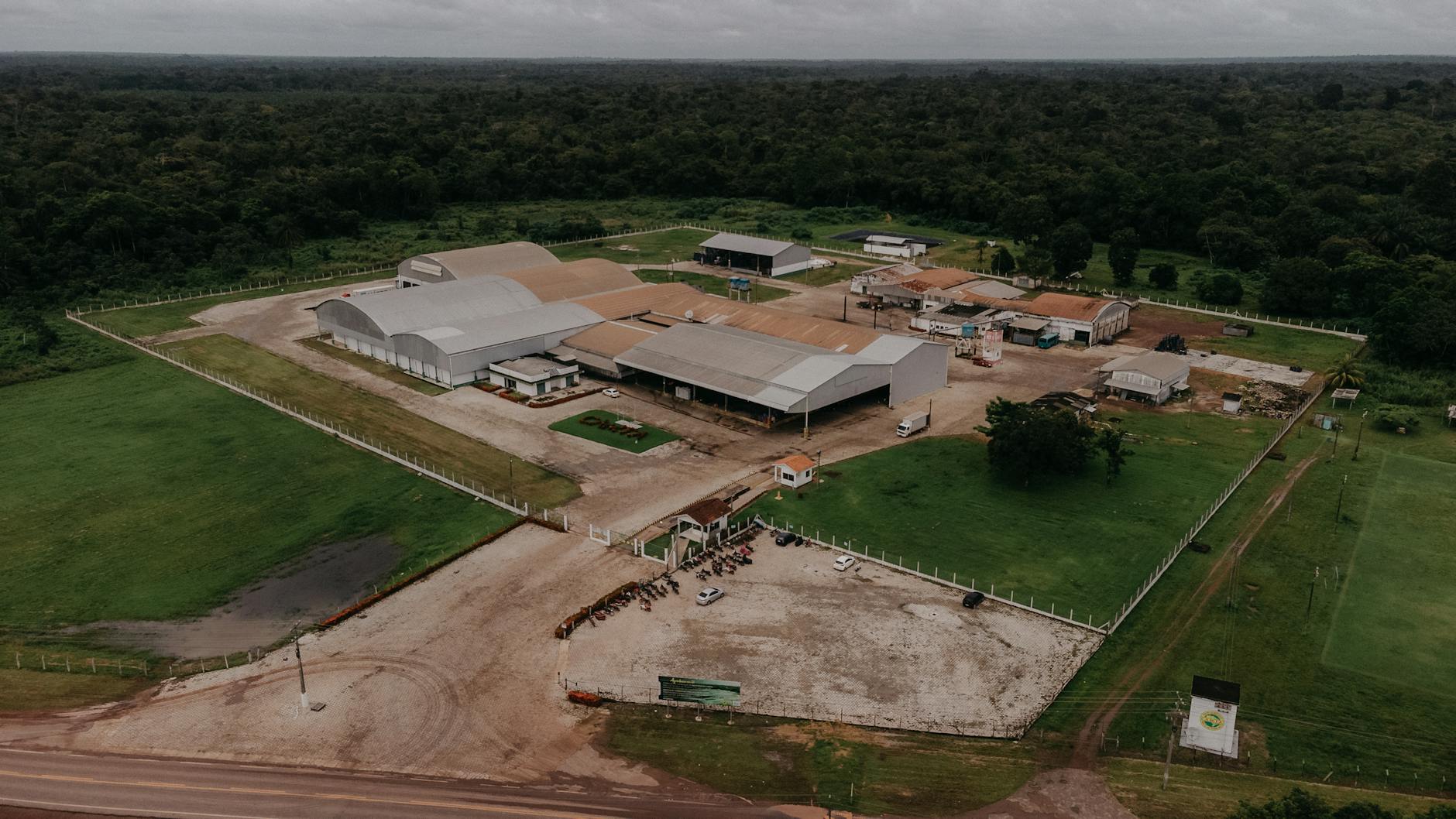
- Investment in Infrastructure: Creation of agropoles that consolidate agricultural activities, processing facilities, and logistics.
- Public-Private Partnerships: Facilitation of sovereign capital engagement to support agricultural infrastructure projects.
- Measurable Returns: Projections indicate a return on investment (ROI) of 15 to 20% annually for sustainable development projects.
Institutional Alignment
GEOTHERMIKI Africa, with its heritage since 1984 and ISO 9001 certification, is committed to promoting excellence in renewable energy and infrastructure development in Africa. In the Democratic Republic of the Congo, specifically in the Kongo Central province, targeted initiatives have generated tangible results:
- Total Investment: 90.6 million dollars.
- Cultivated Area: 4,000 hectares.
- Jobs Created: 30,000 direct and indirect jobs.
This approach allows for the deployment of an economic model that not only attracts investors but also generates tangible benefits for local communities.
Key Data
To inform investment decisions, here are some pertinent data points:
- Agricultural Growth Rate in Africa: 5% per annum.
- Electricity Demand: Increasing by 6 to 9% per annum.
- Agricultural Bonds Market: Growth potential with attractive interest rates for funds.
- Potential Partnerships: Development agencies such as the African Development Bank (AfDB) and the World Bank are strong supporters.
Conclusion
In a rapidly evolving world, sovereign wealth funds have the opportunity to invest in Africa, not only for financial returns but also to make a positive impact on the future of the continent. The implementation of PPP models, such as the Agropole project developed by GEOTHERMIKI Africa, underscores the value-creation and job-generating potential, aligned with sustainability objectives. We urge institutional investors to join us in this promising venture, where their capital can catalyse significant transformations while generating sustainable returns.