Introduction: Macro-Economic Context
Africa stands at a critical juncture where agricultural investment intersects with food security, employment growth, and economic stability. Despite possessing vast arable land, the continent faces notable deficits, including a staggering $35 billion annual expenditure on food imports. This pressing need for domestic agricultural capacity underpins the importance of the Agropole Africa 2026 initiative, which seeks to align investment with strategic supply chain enhancements.
The Strategic Problem: Quantifying the Gap
The need for investment in Africa's agriculture is both urgent and substantial. Current data indicate that the continent imports around 40% of its food, a situation exacerbated by climatic variability and supply chain inefficiencies. The World Bank reports that agricultural supply chains are underfunded, with an investment shortfall nearing $10 billion annually in some regions. In light of rising global food prices and the operational challenges tied to agricultural imports, the financing of effective agricultural infrastructure becomes paramount.
The Agropole Solution
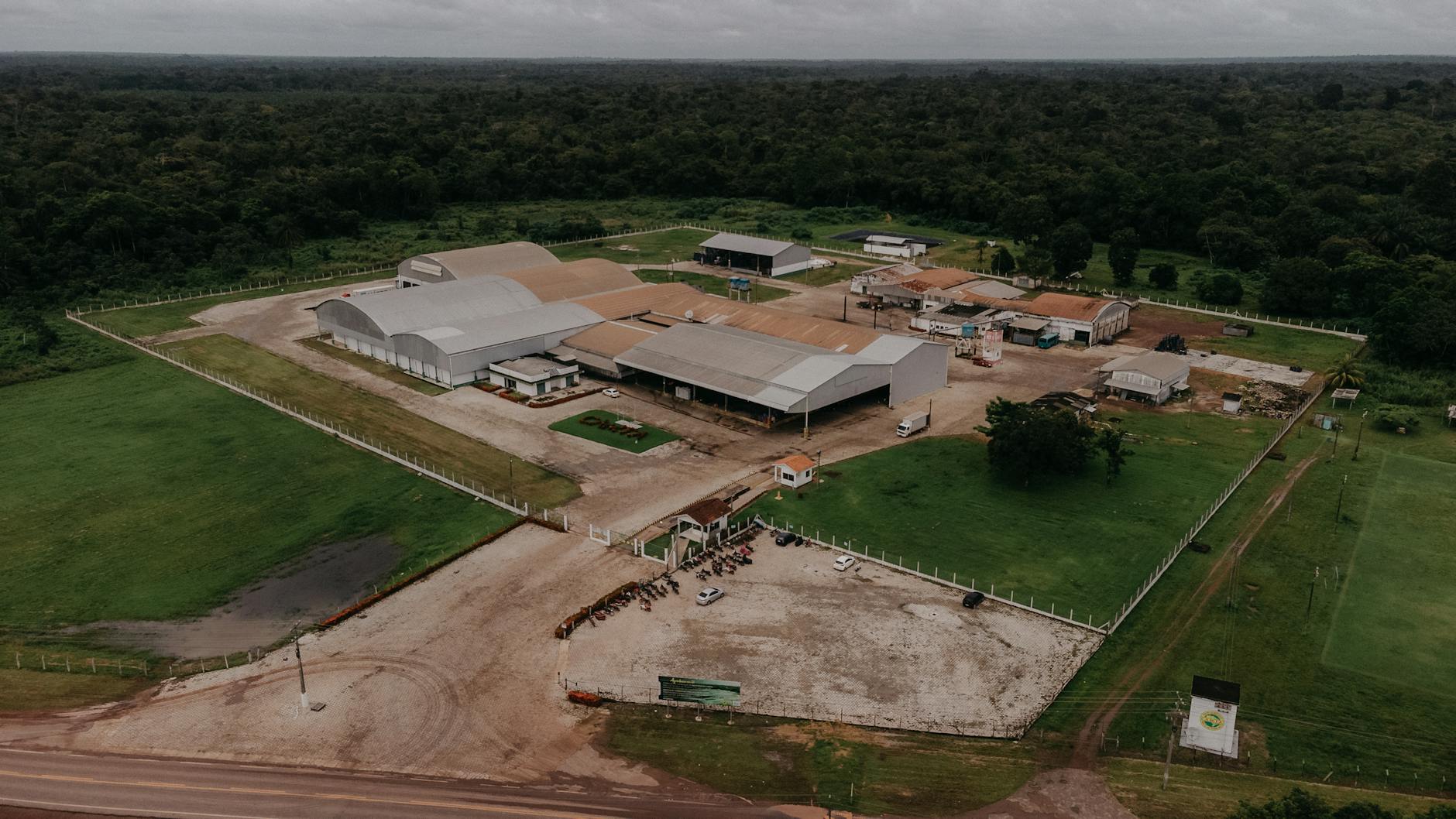
Agropole Africa 2026 presents a comprehensive model aimed at addressing these multifaceted challenges through a robust investment framework. This initiative focuses on establishing agricultural industrial parks equipped with state-of-the-art facilities, designed to streamline production and distribution processes. Key features of the Agropole model include:
- Infrastructure development in strategic locations to enhance supply chain efficiency.
- Investment incentives to attract both domestic and foreign capital.
- Partnership frameworks enabling access to technology and expertise.
- Job creation initiatives projected to employ over 100,000 individuals across various sectors.
By evaluating successful case studies, Agropole Africa aims to implement proven strategies that bolster agricultural output, elevate food security, and, ultimately, mitigate dependency on imports.
Institutional Alignment: Grounded in Legacy
Since its foundation in 1984, GEOTHERMIKI S.A. has fostered a legacy of excellence and innovation, holding ISO 9001 certification as a testament to its operational integrity. In the Kongo Central region of the Democratic Republic of Congo, GEOTHERMIKI has spearheaded projects that underscore its commitment to sustainable development:
- Investment of $90.6 million in infrastructure and technology initiatives.
- Development of 4,000 hectares of arable land dedicated to agricultural production.
- Creation of over 30,000 job opportunities in agriculture, logistics, and research.
These figures reflect not only GEOTHERMIKI's dedication to the agricultural sector but also the potential ROI for institutional investors looking to capitalize on rapidly developing markets.
Data Points: Key Figures and ROI Considerations
- Total investment needed for Agropole Africa 2026: $1 billion.
- Projected agricultural output increase: 50% over five years.
- Expected ROI: 15% annually based on market demand and improved efficiency.
- Reduction in food import expenditure: 25% over the next decade.
Conclusion: Strategic Outlook and Call to Action
The trajectory of agricultural development in Africa hinges on strategic partnerships and the mobilization of capital in initiatives like Agropole Africa 2026. As institutional investors weigh their options in a landscape marked by uncertainty and opportunity, the Agropole model offers a pathway to not only address pressing issues but also to develop lucrative investment returns.
We invite sovereign wealth funds, institutional investors, and global policymakers to engage in this critical discourse and explore partnership opportunities that will drive both economic and social advancement throughout the continent. To learn more about collaboration opportunities in Agropole Africa 2026 and access in-depth reports, visit GEOTHERMIKI Africa and join the movement toward redefining Africa's agricultural landscape.