Introduction
In the context of increasing global food security concerns and wavering geopolitical stability, the urgency for investment in Africa's agricultural sector has never been higher. With over 60% of the continent's arable land yet untapped, the potential for sustainable growth intertwines significantly with pressing environmental goals—assuring biodiversity and preserving ecosystems are paramount in the investment narrative.
The Strategic Problem
The gap in Africa's agricultural production capacity is striking. The continent imports over $35 billion in food annually, reflecting a dire need for self-sufficiency. The interplay between food deficits and environmental degradation exacerbates this issue, as the relentless push for agricultural expansion often comes at the cost of forests and vital biodiversity. The challenge becomes not only to produce more food but to do so responsibly, maintaining ecological integrity and meeting the objectives of impact investing.
The Agropole Solution
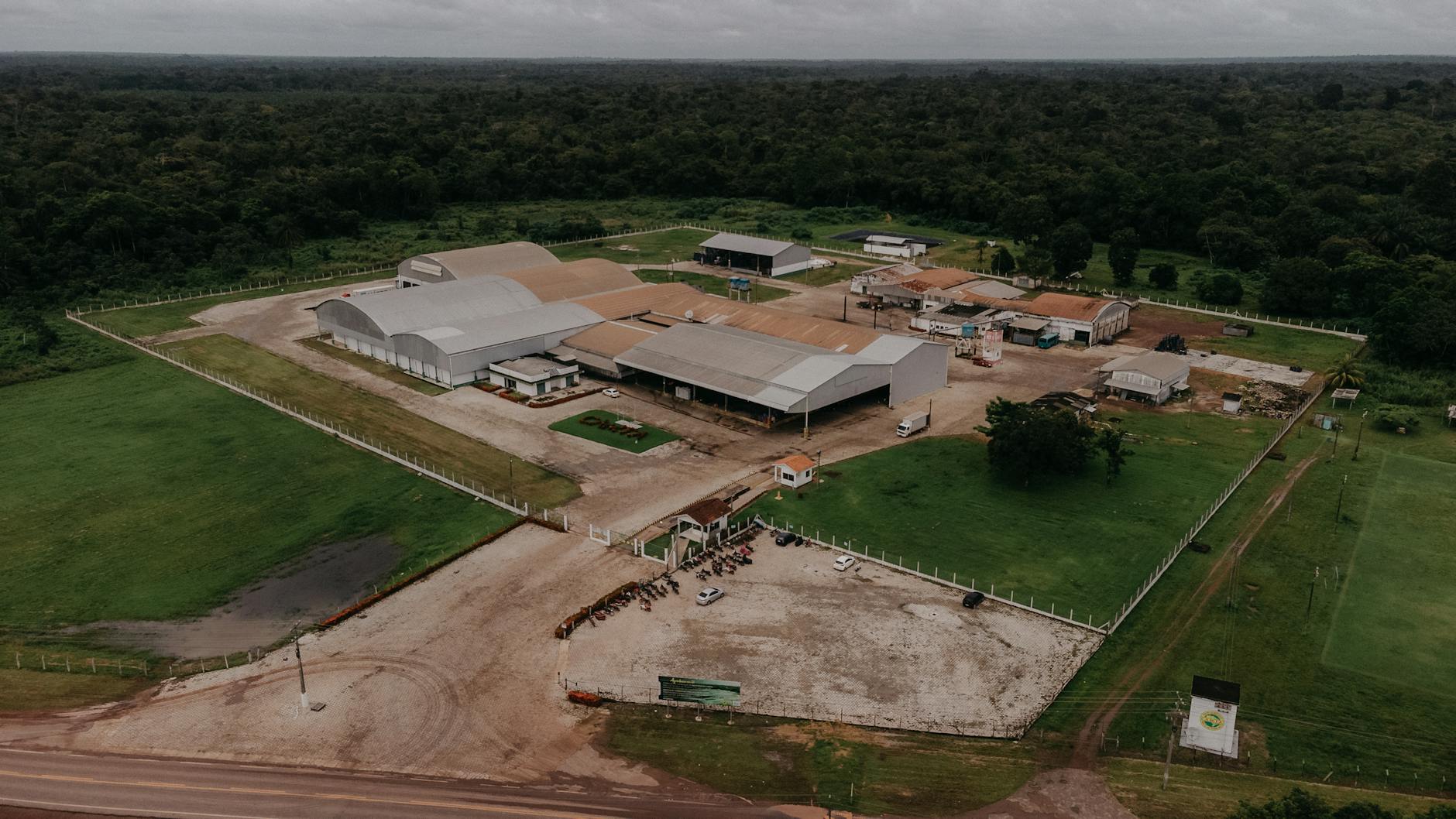
The Agropole model emerges as an innovative solution that aligns agricultural development with ecological preservation and social upliftment. This integrated approach promotes the establishment of agro-industrial parks that prioritize sustainable practices. By facilitating Public-Private Partnerships (PPP), the Agropole initiative encourages stakeholder investment while ensuring community engagement and environmental stewardship.
Agropoles focus on enhancing productivity through technology and knowledge transfer, thereby raising local agricultural standards. When strategically deployed, they can contribute to both economic growth and environmental conservation—ensuring that as agriculture expands, ecosystems are fortified, not depleted.
Institutional Alignment
GEOTHERMIKI S.A., with its rich legacy since 1984 and ISO 9001 certification, has been a cornerstone in fostering sustainable solutions across various industries, including energy and agriculture. Notably, the company's impact metrics in the Kongo Central of the D.R. Congo underscore this commitment:
- Investment of $90.6 million dedicated to agricultural innovations.
- Utilization of 4,000 hectares of land for sustainable farming practices.
- Creation of approximately 30,000 jobs, greatly contributing to local economies.
Through the Agropole initiative, GEOTHERMIKI envisions not merely an agricultural hub but a model of environmental consciousness, aligning with both investor expectations and global environmental standards.
Data Points
- Over 60% of Africa's arable land remains unutilized.
- Annual food imports of over $35 billion highlight the need for self-sufficiency.
- Potential to generate $90.6 million in investments through Agropole framework.
- A promising ROI through enhancement of local agricultural sectors and preservation efforts.
Conclusion
As the world pivots increasingly towards ESG-centric investment frameworks, the intersection of agricultural productivity and environmental responsibility in Africa offers a compelling narrative for institutional investors. The Agropole model stands out not only as a solution to Africa's food security crisis but as a genuine opportunity for impact investing that prioritizes forest preservation and biodiversity.
For institutional investors looking to realize both financial returns and social impact, aligning with initiatives like Agropole represents a strategic opportunity. As Africa embraces its potential, the call to action is clear: engage with emerging partnerships that promise to reshape the agriculture landscape while honoring the ecological bedrock vital to maintaining our planet's health.
To learn more about GEOTHERMIKI Africa's commitment to social infrastructure and community development, visit GEOTHERMIKI Africa. For deeper insights into our history and achievements, explore GEOTHERMIKI S.A.. Further knowledge can be gathered from resources provided by the African Development Bank.