Introduction
As Africa grapples with escalating food insecurity and energy deficits, the continent's growth trajectory is increasingly intertwined with its agricultural sector. With food imports constituting a significant portion of national budgets—over $35 billion in 2020 alone—there is an urgent need for innovative solutions that can reduce reliance on foreign agriculture while driving economic growth. The Agropole model presents a promising framework for addressing these challenges through the establishment of agro-industrial parks.
The Strategic Problem
Despite its vast agricultural resources, Africa remains one of the largest importers of food globally. The region's dependency on external sources for staples exacerbates social vulnerabilities and stifles economic advancement. Notably, the Democratic Republic of the Congo (DRC) faces a particularly stark agricultural dilemma:
- Food insecurity affects an estimated 27 million people across the DRC.
- The country imports around 80% of its wheat and about 40% of its rice.
- Chronic energy deficits impede agricultural productivity, with less than 25% of the rural population having access to reliable electricity.
These challenges paint a critical picture of the agricultural landscape in Africa, underscoring the need for reform and investment.
The Agropole Solution
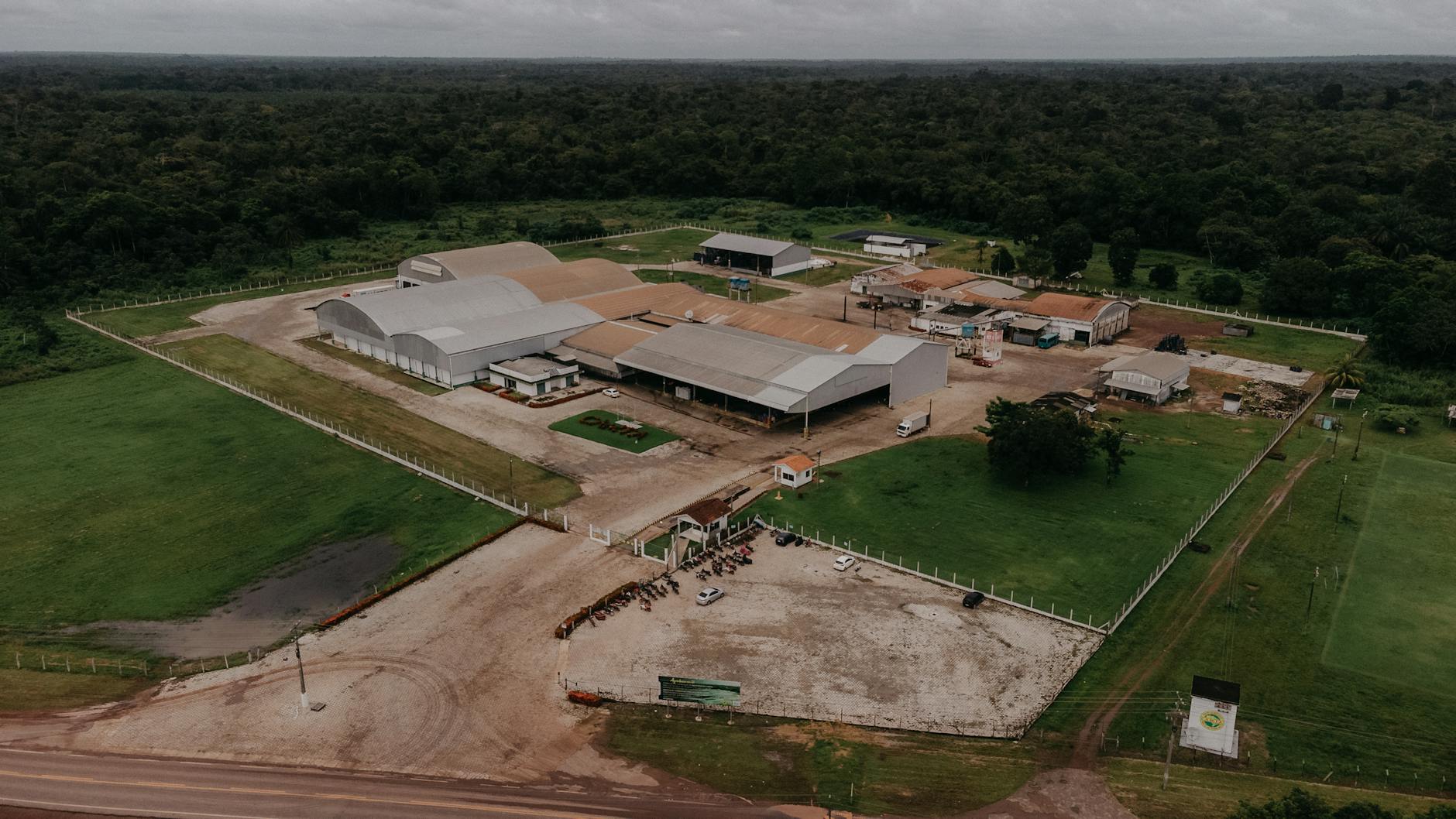
The Agropole model, conceived as part of a broader agribusiness investment strategy in Africa, focuses on creating dedicated agro-industrial parks that integrate agricultural production, processing, and distribution. By clustering resources and expertise, Agropolies aim to increase productivity, boost local economies, and establish self-sufficiency in food production.
In the DRC, the Agropole initiative promotes:
- Developing 4,000 hectares of agricultural land aimed at local food production.
- Generating approximately 30,000 jobs through agro-industrial operations.
- Increasing local consumption of agricultural products, thereby reducing import levels.
By enhancing infrastructural coherence and fostering collaboration among stakeholders, the Agropole initiative presents a multi-faceted approach to resolving food supply challenges while serving as an avenue for institutional investors to reap significant returns on investment.
Institutional Alignment
GEOTHERMIKI S.A., a stalwart in the African geothermal energy sector since 1984, stands at the forefront of this transformative movement. With an ISO 9001 certification underscoring its commitment to quality management practices, GEOTHERMIKI is poised to integrate renewable energy solutions within the Agropole framework. Specific metrics highlight the prospective viability of such efforts:
- Investment potential estimated at $90.6 million.
- Planned job creation of 30,000 within the agricultural and energy sectors.
- Proposed utilization of geothermal resources to enhance energy availability for agricultural processing, thereby reducing energy costs and increasing operational efficiency.
Linking the agricultural sector with innovative energy solutions not only strengthens the DRC's infrastructural backbone but also improves its competitive standing in global agribusiness markets.
Data Points
- Food import costs: Exceeded $35 billion in 2020.
- Population affected by food insecurity: 27 million in DRC.
- Revenue potential: $90.6 million in investments within the Agropole model.
- Projected job creation: 30,000 across agro-industrial enterprises.
Conclusion
The current economic crossroads faced by African nations necessitates bold and innovative initiatives that align agricultural productivity with investment opportunities. The Agropole model emerges as a viable strategy capable of meeting both the pressing agricultural needs and the expectations of institutional investors seeking lucrative opportunities in Africa. The collaboration with GEOTHERMIKI S.A. further enhances the operational possibilities of the Agropole initiative, positioning it as a crucial element in a broader strategy for economic development and food security.
In light of these insights, we call upon sovereign wealth funds and institutional investors to consider partnerships that support the Agropole initiative and contribute to a resilient agricultural framework across Africa.
For further details on investor engagement with GEOTHERMIKI Africa, please visit GEOTHERMIKI Africa or learn more about our heritage at GEOTHERMIKI S.A..
For comprehensive data and insights into Africa's agribusiness dynamics, refer to sources such as the African Development Bank and the World Bank.